Defensible Space Clearing
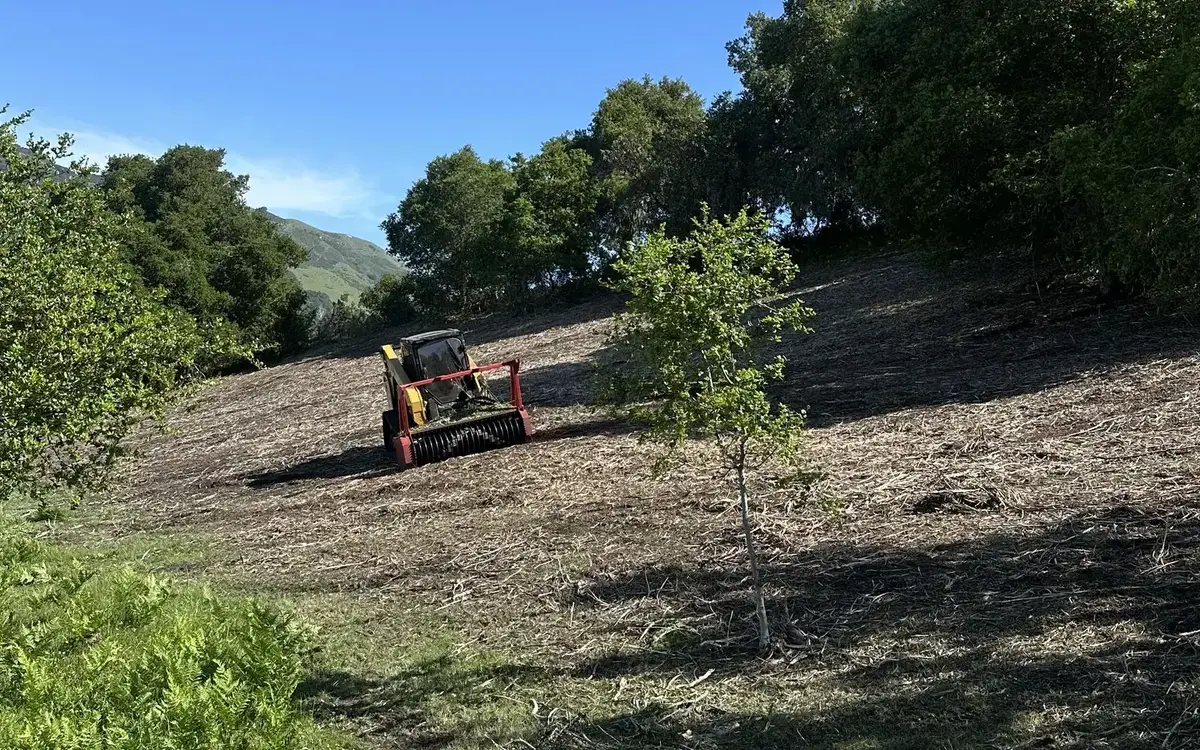
Dead brush, ladder fuels, weeds and dry grass cleared from the 100 feet around a home. The trees stay standing and the brush stays on the ground as mulch.
Learn More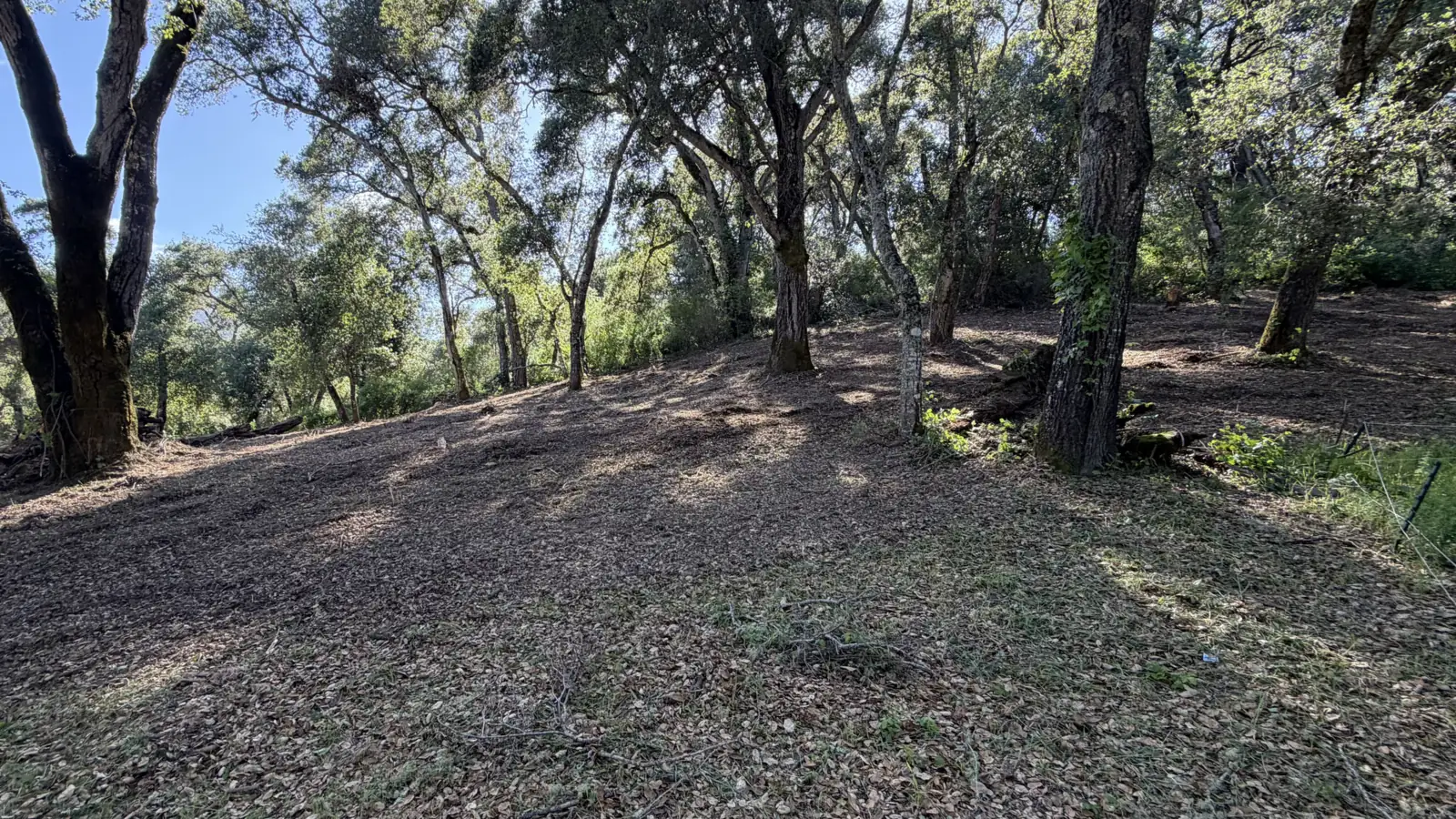
Scotts Valley sits on the upland slope of the Santa Cruz Mountains, surrounded by coast redwood forest. The Scotts Valley Fire Protection District counts sagebrush, chaparral, dry grass and brush as weeds that create a fire hazard. Its list of chaparral names chamise, coyote brush, greasewood, broom brush and buckwheat. You may have the district's Notice to Destroy Weeds in hand, or a letter from your insurer asking for clearance.
Cruz Land Management is based in Seaside on the Monterey Peninsula, and we come up to Scotts Valley from there. We start with defensible space clearing around the house, then brush clearing, weed abatement and fire breaks farther out. The brush mower cuts grass and weeds down, and the masticating head grinds brush into mulch around standing trees. Call or text (831) 200-5377, and we will look at the property and put the quote in writing.
Tell us about the brush, the lot or the letter you got. We look at the property and put the quote in writing.
Scotts Valley is a city of about 12,000 people, six miles north of the city of Santa Cruz. Highway 17 is the main road in and out. Carbonera Creek, Camp Evers Creek and Bean Creek are its major creek corridors. A city environmental report names creekside woodland and ponderosa pine as key habitats, with local stands of redwood.
The 2022 wildfire plan for Santa Cruz and San Mateo counties places Scotts Valley in its Santa Cruz Central area. About 30 percent of that area is redwood and Douglas fir, and about 23 percent is evergreen hardwood. In the northern part, the plan describes mixed conifer and evergreen hardwood, with brush near the ridges. Outside the most developed parts of Santa Cruz and Capitola, it counts the rest of the area as wildland-urban interface.
On the state's 2025 fire hazard map, most of Scotts Valley is in the High zone. The plan lists the City of Scotts Valley among the communities it counts as assets at risk. It notes no large fires in this area in recent history. Still, numerous roadside and debris fires are put out there each year.
The Scotts Valley Fire Protection District serves the city, the Branciforte community and nearby county land. That is about 30 square miles and nearly 22,000 residents. The district runs a Weed Abatement Program under Ordinance No. 2024-1. Its page says property owners are ultimately responsible for managing their vegetation to meet district requirements.
After the district's board declares weeds a public nuisance, owners of affected parcels are sent a Notice to Destroy Weeds. It goes out by registered or certified mail at least ten days before a board hearing, where owners may object. The notice tells owners to remove the weeds without delay. The ordinance also lets owners remove them, or have them removed, before the district's agents arrive.
On State Responsibility Area land inside the district, CAL FIRE and the district run LE-100 fire hazard inspections. The district posts the inspection form so owners can prepare. It also offers home and property inspections to homeowners within its boundaries.
We size weed abatement to the notice or inspection in hand. The brush mower takes grass and stubble down, and the masticating head grinds brush into mulch. The district and CAL FIRE do the inspecting, and we clear the ground to their standard.
The district's Community Chipper Program is for neighborhoods, HOAs, road associations and larger groups, not a single property owner. Piles must sit within 10 feet of the roadside, no more than 4 feet high and 6 feet across. Leaves, grass, vines and poison oak are not accepted. Afterward, the homeowner or neighborhood must reuse the chips or haul them away.
Forestry mulching works without piles at the road. The masticating head on our compact track loader grinds brush, saplings and small trees where they stand. Poison oak and coyote brush go into the mulch with the rest. The mulch stays on the ground as cover, which suits a single property or a slope far from the road.
The district asks people to mow before 10 a.m., and never when it is windy or very dry. Metal blades striking rocks can spark a fire. In wildland areas, spark arresters are required on portable gas-powered equipment, mowers included.
To protect water quality, the district asks owners not to clear vegetation near waterways down to bare soil. It also warns that clearing can cause erosion, especially on steep slopes. Mastication leaves the ground under a layer of mulch, and the soil stays in place.
Lightning started the CZU Lightning Complex on August 16, 2020. CAL FIRE's record shows 86,509 acres burned in Santa Cruz and San Mateo counties, with 1,490 structures destroyed. At its closest, CAL FIRE's mapped perimeter is about two and a half miles west of the city limits.
NFPA's Firewise USA map lists 8 sites in good standing with Scotts Valley addresses. Mid-Glenwood, Weston Road and Upper Glen Canyon Road are among them. For HOAs, road associations and private roads, vegetation management keeps shared roads and common areas mowed and masticated each season.
Along a driveway or a ridge, a fire break is a strip of masticated brush and mowed grass. A break can slow a fire and give firefighters a place to work. We come over from Seaside, north on Highway 1 to Santa Cruz, then up Highway 17. The drive is about 45 miles, a little under an hour.
Communities and areas we serve around Scotts Valley: Glenwood Drive, Mid-Glenwood, Weston Road, Glen Canyon Road, Quail Ridge Road, Montevalle, Hidden Glen, Skypark, Vine Hill, Mount Hermon Road, Bean Creek, Branciforte.
Scotts Valley ZIP codes served: 95066, 95067.
We come over from Seaside, look at the property and put the quote in writing.
(831) 200-5377 Dead brush, ladder fuels, weeds and dry grass cleared from the 100 feet around a home. The trees stay standing and the brush stays on the ground as mulch.
Learn More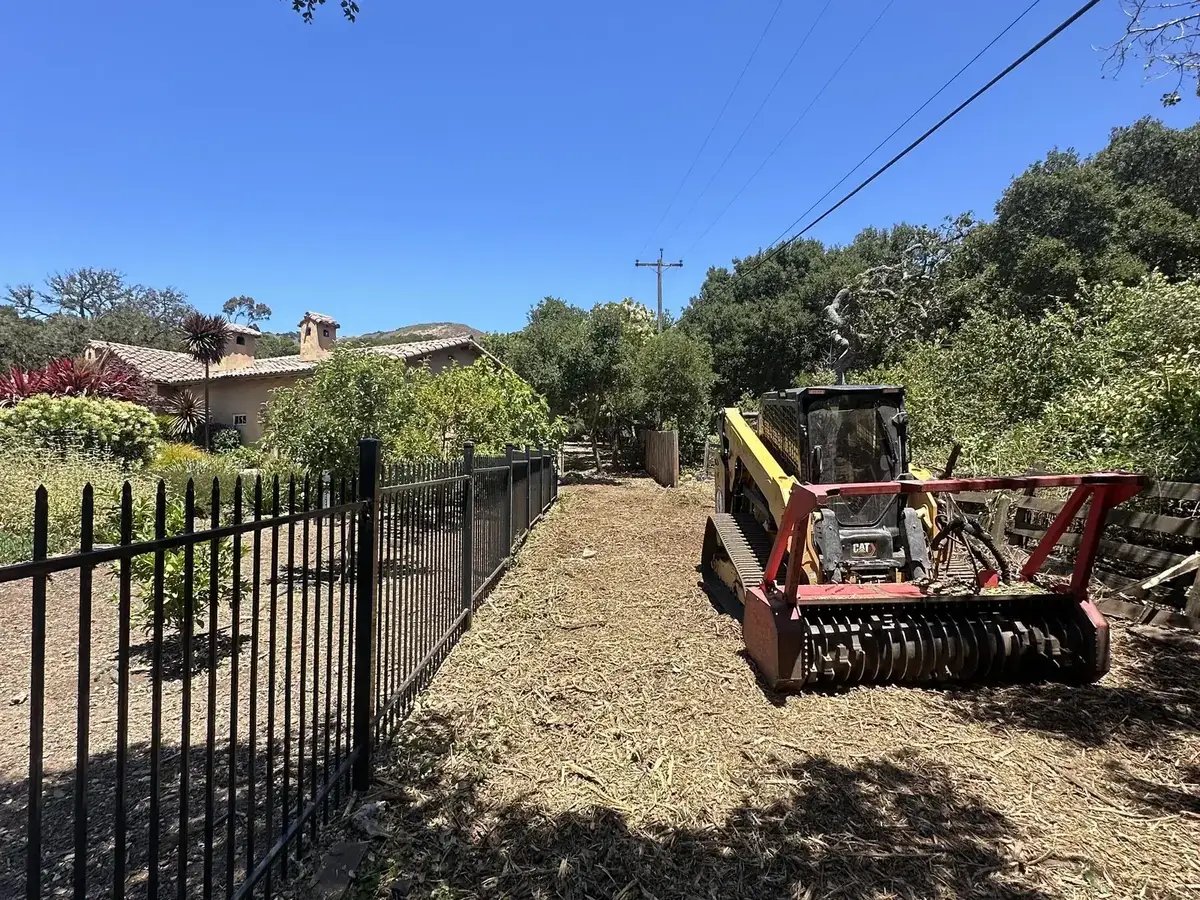
We clear overgrown brush and poison oak off hillsides and fence lines. The masticating head grinds it into mulch where it stands, and the trees stay.
Learn More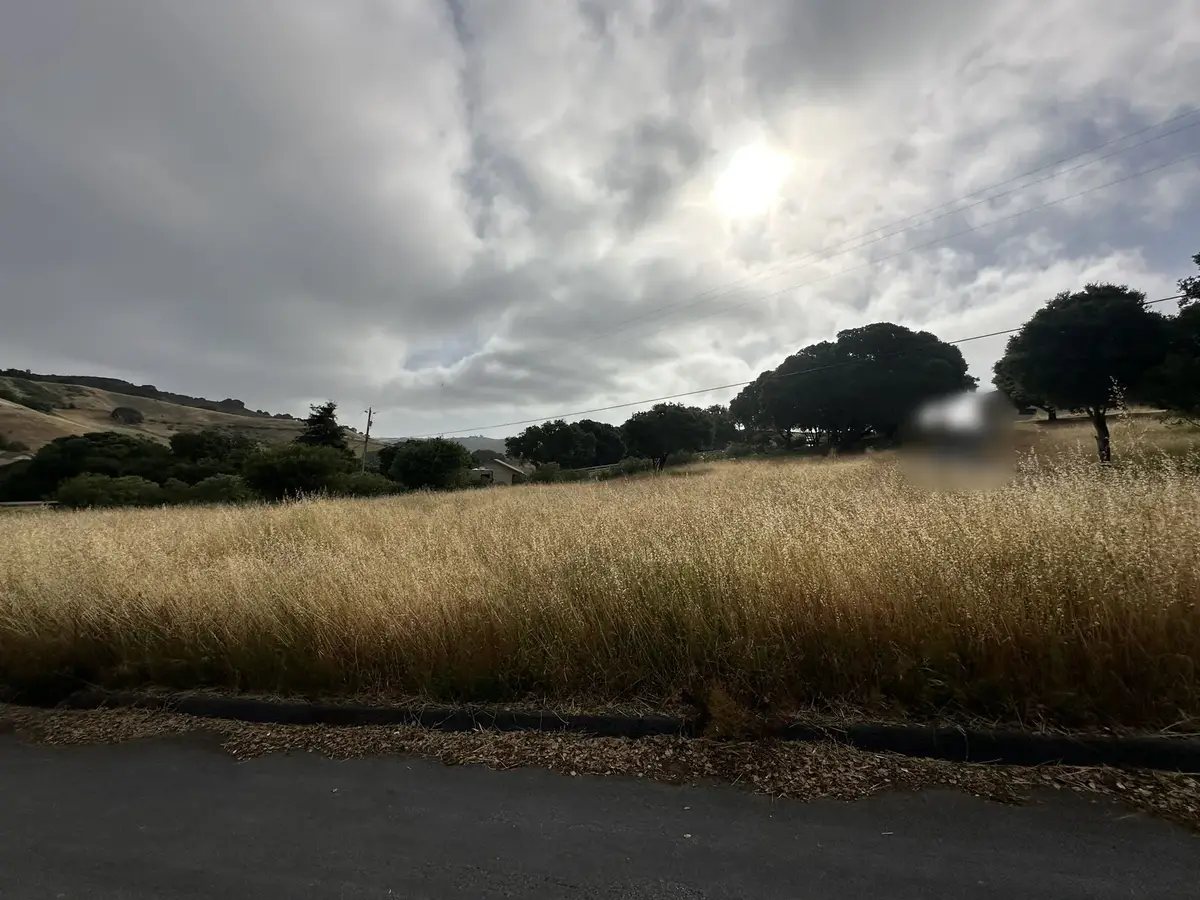
We cut the dry grass and weeds on vacant lots, parcels, roadsides and lot lines before fire season. Send us a photo of your notice, and we put the quote in writing.
Learn More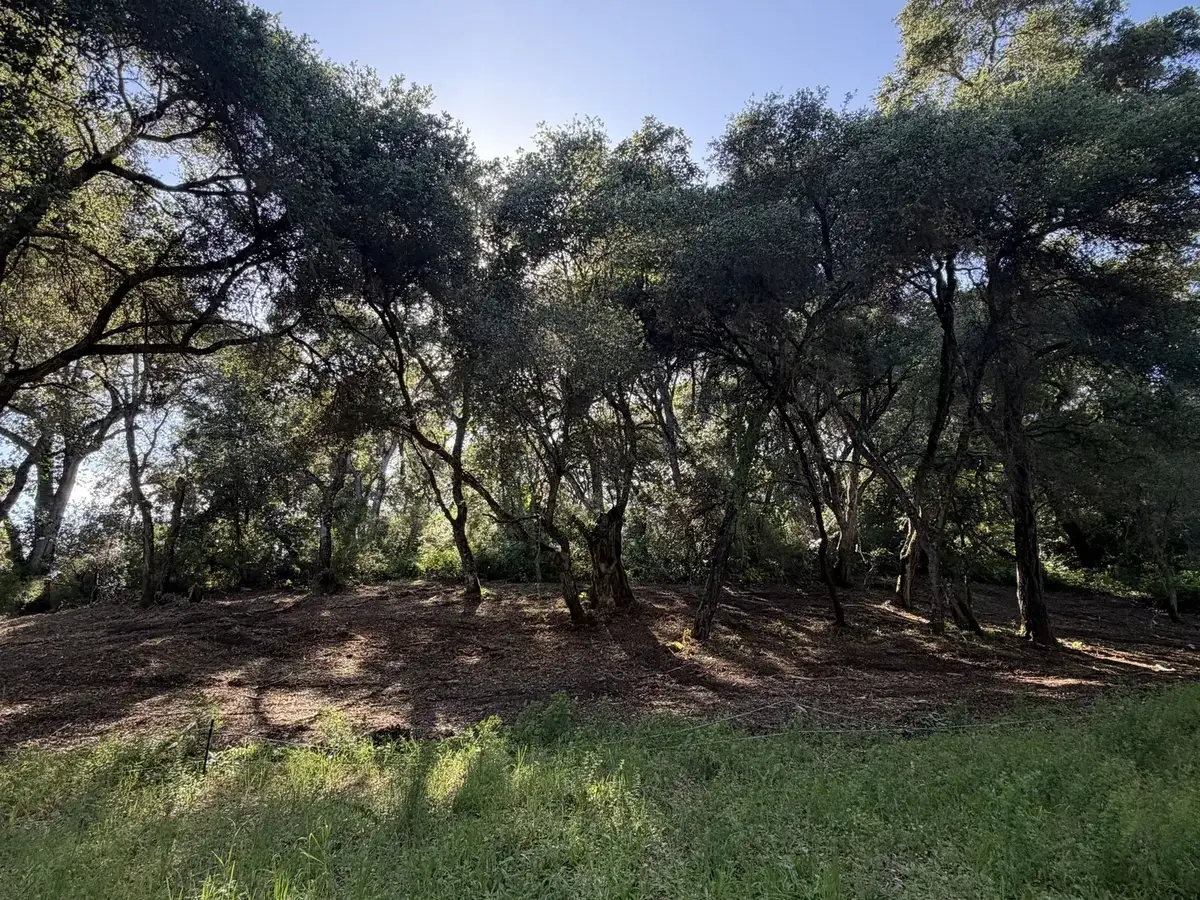
We open up overgrown acreage, hillsides, ranch parcels and building sites with the masticating head and the brush mower. Brush and small trees become mulch in place, and the trees you keep stay standing.
Learn More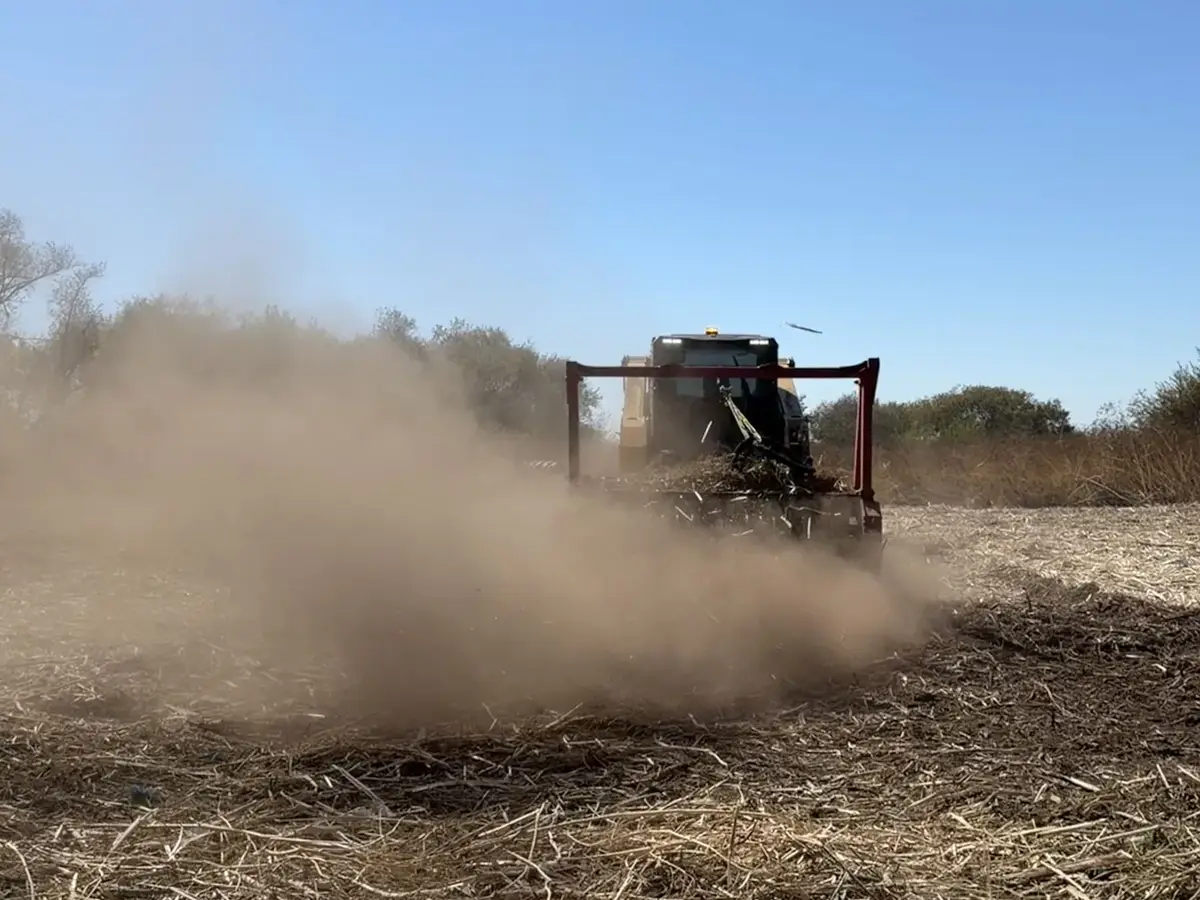
Our masticating head grinds brush and small trees into mulch where they stand. The ground is left under a mulch layer, and the trees you keep stay standing.
Learn More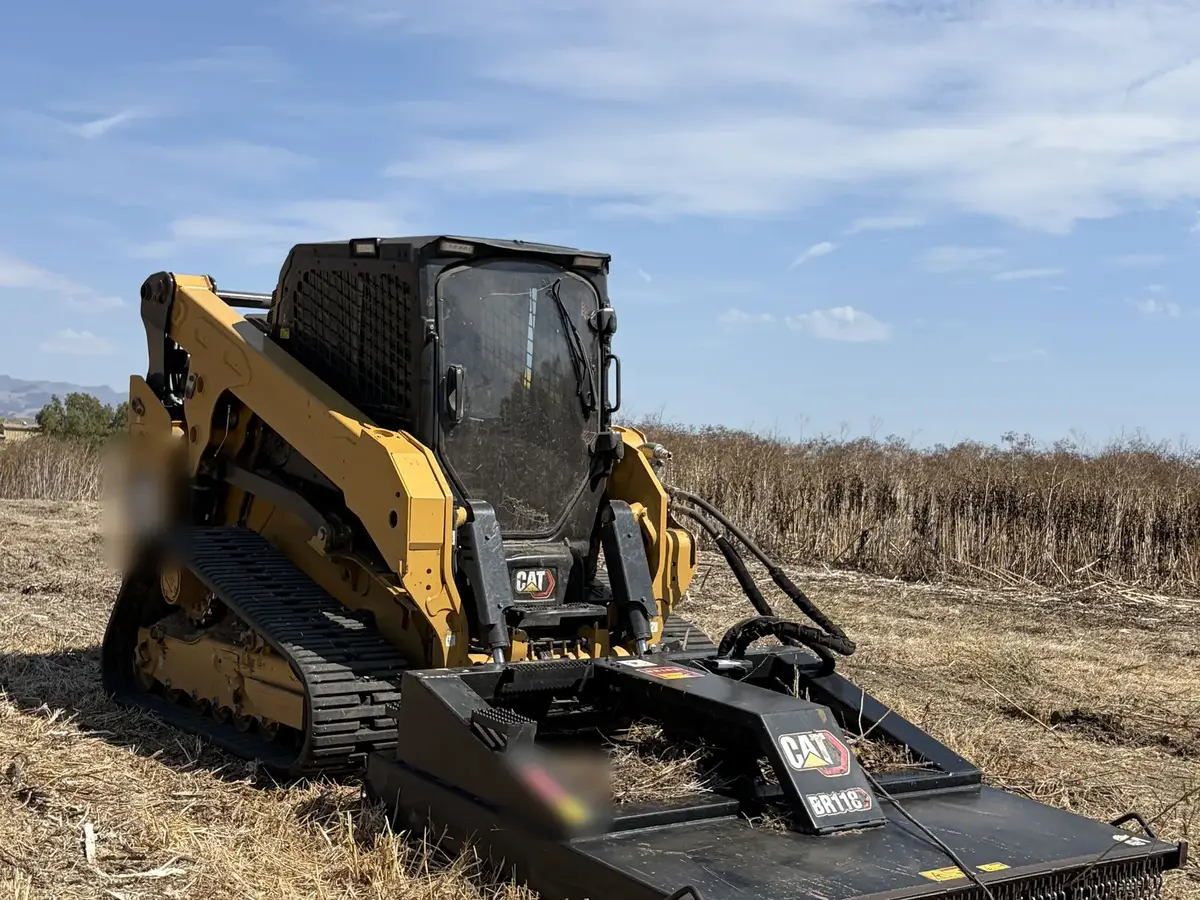
We cut tall grass and light brush with a rotary brush mower on a compact track loader. Fields, pastures, road frontage and large lots get mowed once or every season.
Learn More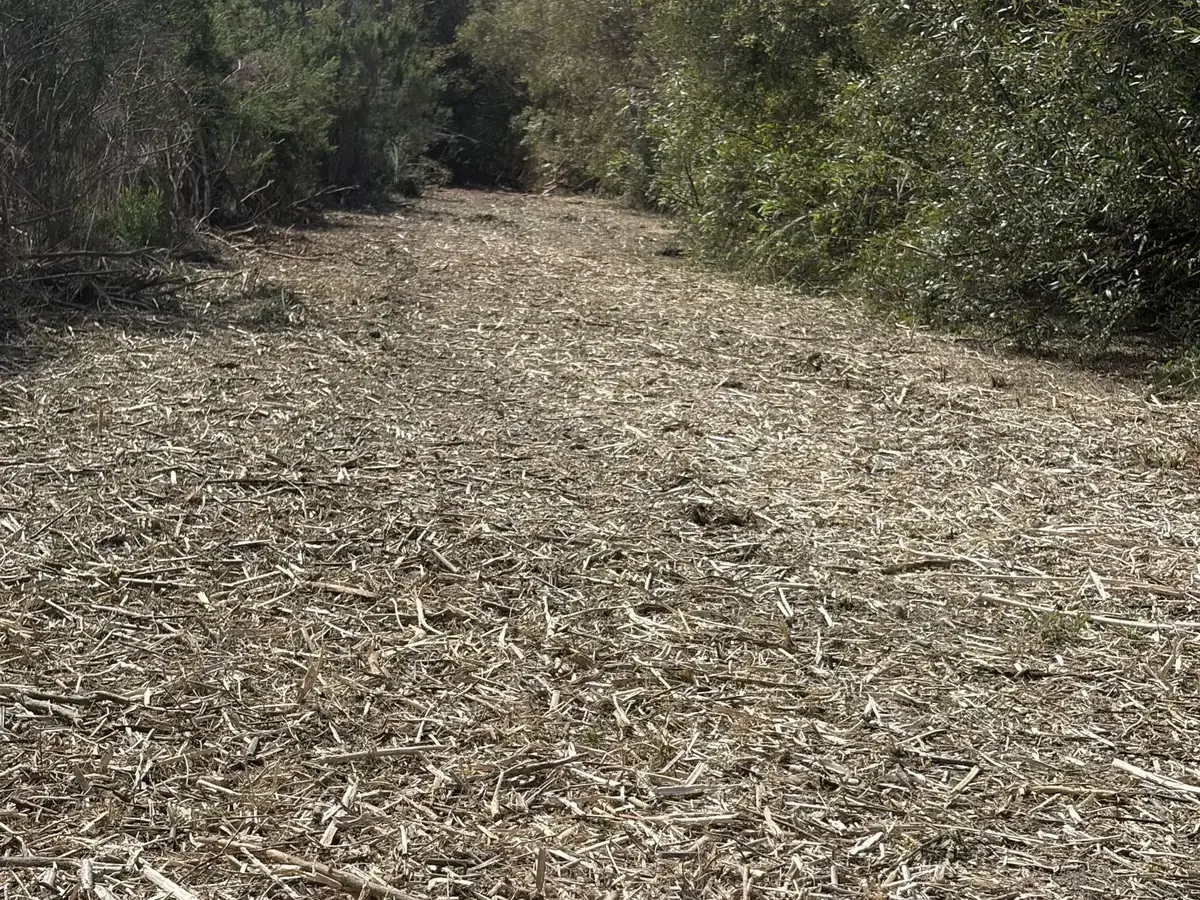
Fire breaks and fuel breaks cut along property lines, ridges, roads and driveways. Brush is masticated into mulch and grass mowed low, so a fire slows and crews have room to work.
Learn More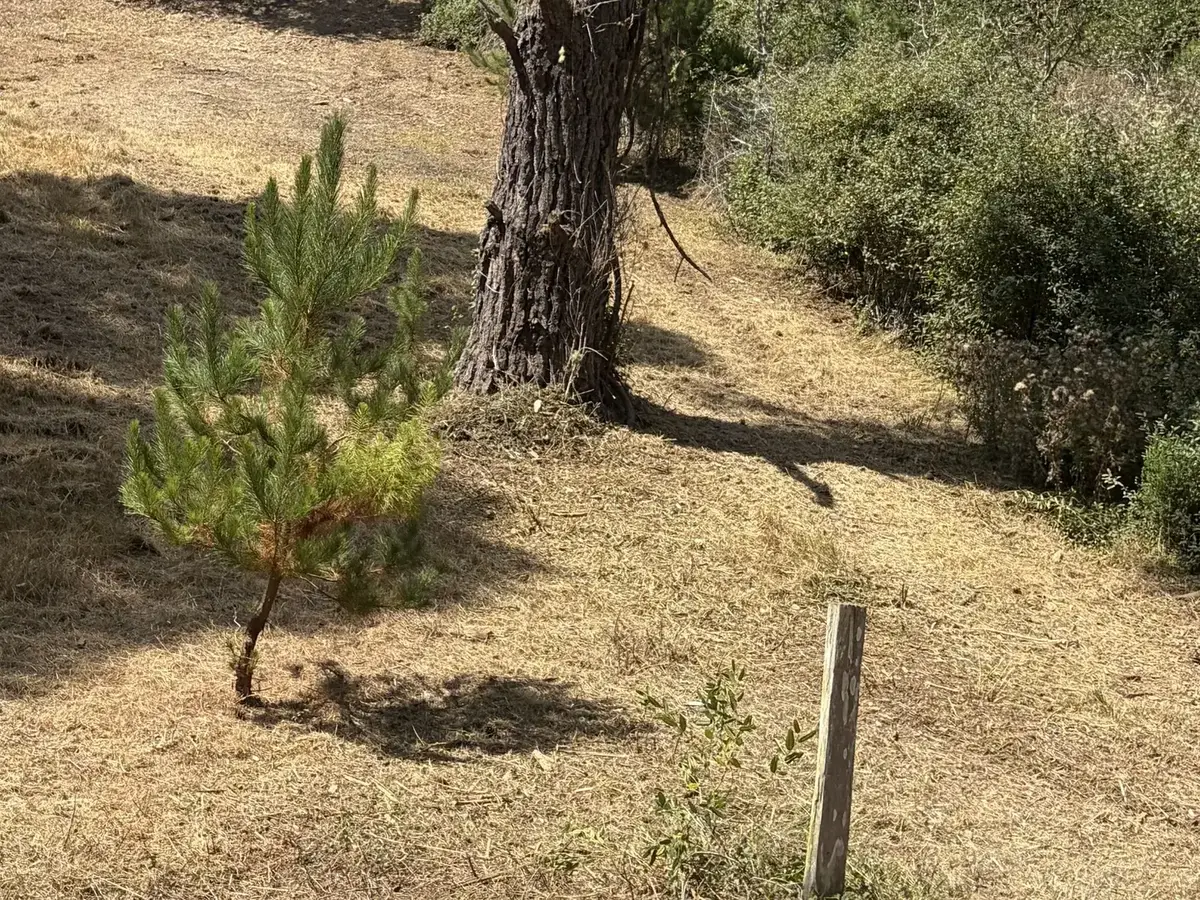
Vacant lots and ADU sites cleared to open ground. Weeds and grass are mowed, and brush is ground into mulch where it stands.
Learn More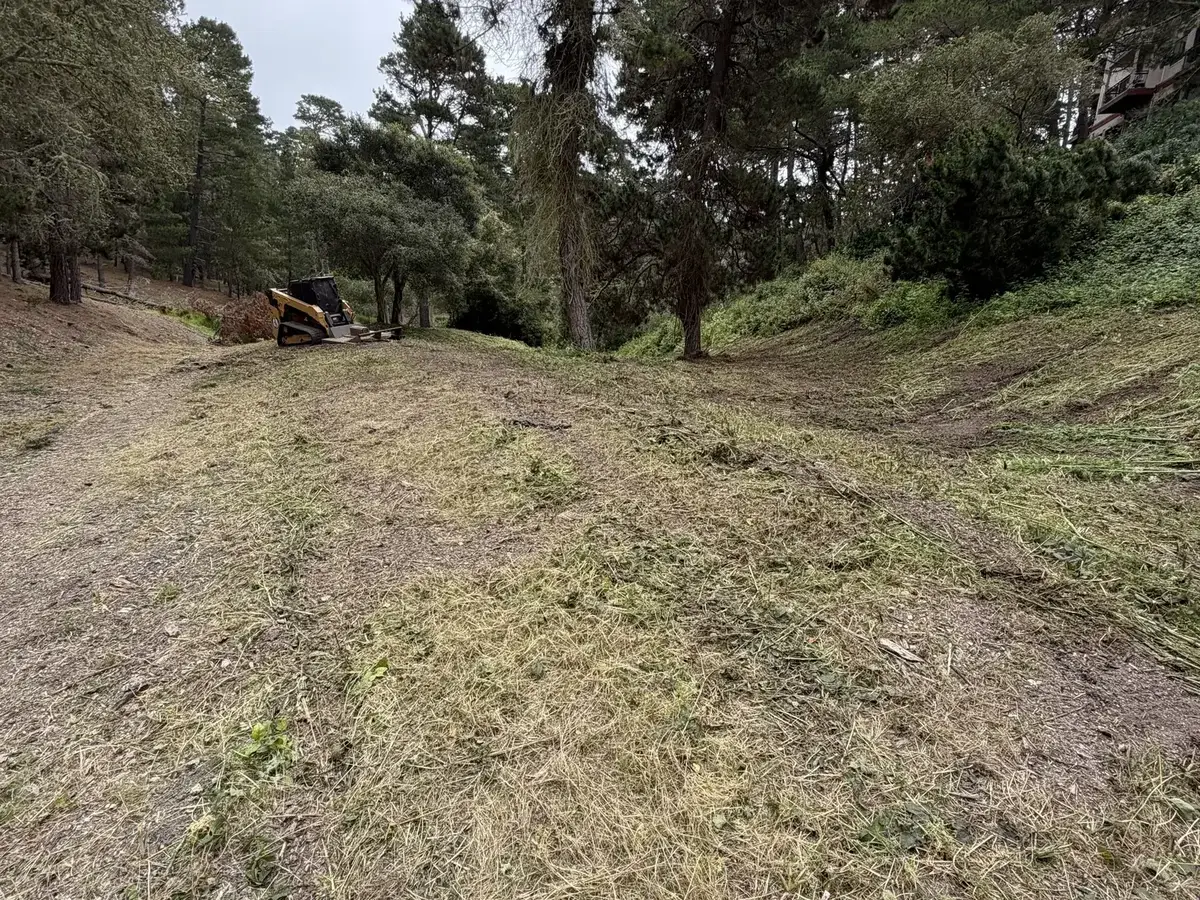
We run seasonal vegetation management programs for HOAs, property managers, commercial properties and ranches. Grass is mowed and brush is masticated on a schedule built around notices and fire season.
Learn MoreA few of the questions we hear most around Scotts Valley. If yours is not here, call or text and ask.
Tell us where the property is and what needs clearing, and send photos if you have them. Call or text (831) 200-5377, or use the form, and we will get back to you.
Tell us about the brush, the lot or the letter you got. We look at the property and put the quote in writing.