Defensible Space Clearing
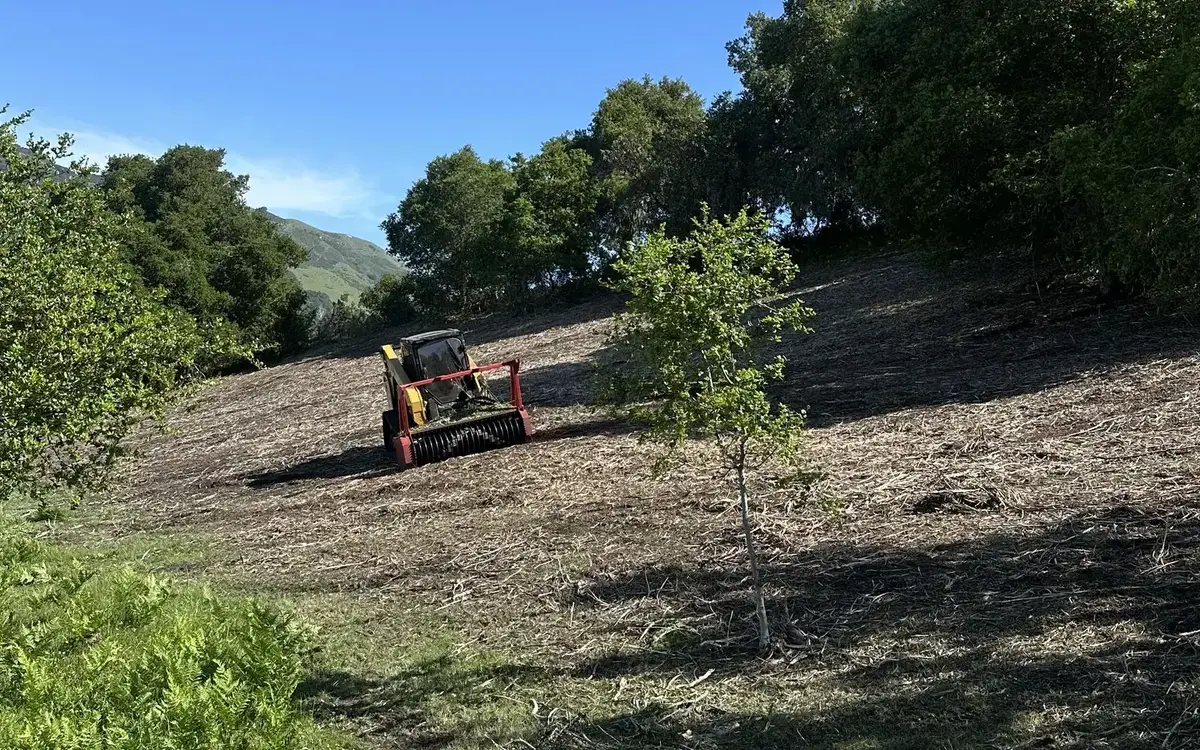
Dead brush, ladder fuels, weeds and dry grass cleared from the 100 feet around a home. The trees stay standing and the brush stays on the ground as mulch.
Learn More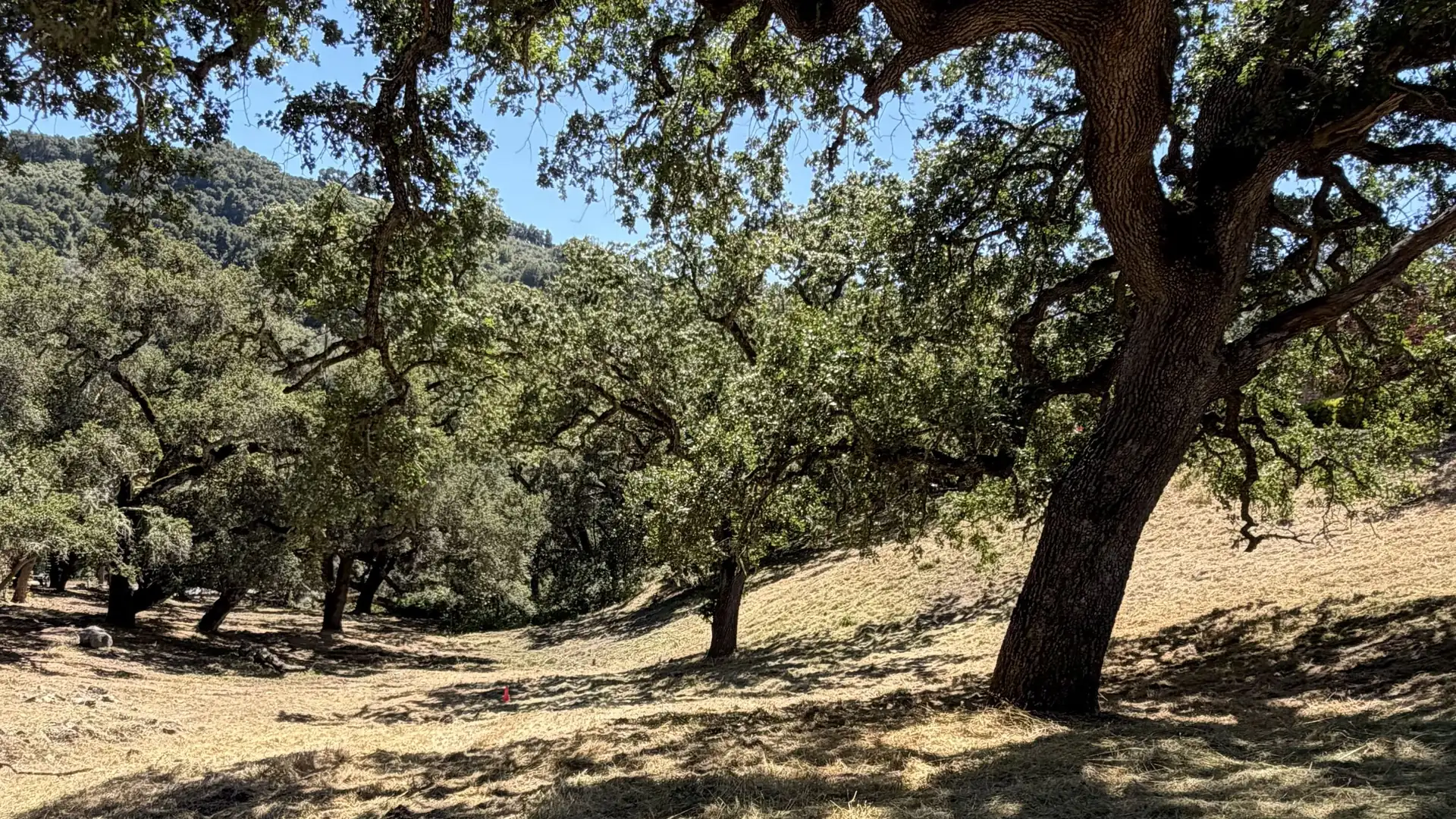
Soquel Creek flows through the village, and the hills above it carry redwood and oak with brush underneath. On CAL FIRE's 2025 map, about two-thirds of Soquel is State Responsibility Area, zoned High or Moderate. Brush and dead growth build up under the trees. You may have a Central Fire inspection coming, or a letter from your insurer asking for clearance.
Cruz Land Management is based in Seaside on the Monterey Peninsula, and we come up to Soquel on Highway 1. We start with defensible space clearing around the house, then brush clearing, weed abatement and fire breaks farther out. The brush mower cuts grass and weeds down. The masticating head grinds brush, saplings and small trees into mulch where they stand, and the larger trees stay standing. Call or text (831) 200-5377, and we will get back to you.
Tell us about the brush, the lot or the letter you got. We look at the property and put the quote in writing.
Soquel is an unincorporated town in Santa Cruz County, on the northern coast of Monterey Bay. Its Census area covers 4.6 square miles and about 10,700 people. Soquel Creek flows through it. Downtown, Heart of Soquel Park has wooden walkways along the creek.
Up in the Santa Cruz Mountains, the East Branch of Soquel Creek runs through CAL FIRE's Soquel Demonstration State Forest. It is a 2,700-acre working forest, with its main entrance off Highland Way. Coast redwood, mixed hardwoods and streamside plants grow there. CAL FIRE notes that its redwoods regrow by sprouting from stumps and roots.
The 2022 wildfire plan for Santa Cruz and San Mateo counties places Soquel in its Santa Cruz Central area. Outside the most developed parts of Santa Cruz and Capitola, the plan counts the rest as wildland-urban interface. It describes the southern part as hardwoods and grass, with a lot of eucalyptus. Many eucalyptus stands carry fuel from the ground to the canopy, the plan warns. Dry litter 3 feet deep or more is not uncommon under them.
Grassland is part of Soquel too. Anna Jean Cummings Park, the largest park in Soquel, keeps a large open space of coastal prairie terrace. On private lots, annual grass and weeds dry out by early summer. The brush mower cuts them down for weed abatement.
Soquel is one of six communities served by the Central Fire District of Santa Cruz County. The others are Aptos, Capitola, La Selva Beach, Live Oak and Rio Del Mar. Central Fire says single family homes are generally inspected by request only. Homes in its designated High Fire Hazard areas are inspected each spring for rural fire safety standards.
During inspections, the district looks for flammable vegetation cleared within 10 feet of access roads and driveways. Woodpiles and propane (LPG) tanks should sit at least 30 feet from structures, fences and other combustible materials. The brush mower and the masticating head clear drive edges and the ground around propane tanks and outbuildings.
Central Fire also asks for an ember-resistant zone in the first five feet around structures and decks. Mulch is on its list of combustible materials to remove there. So the mulch from the masticating head stays out in the yard and on the slopes, away from the house.
The wildfire plan says CAL FIRE generally has responsibility for wildland fire protection on State Responsibility Area land. Lands outside it are typically under local governments. On CAL FIRE's 2025 map, about two-thirds of Soquel's Census area is State Responsibility Area. That land splits almost evenly between High and Moderate zones. The rest is Local Responsibility Area, mapped Moderate or Non-Wildland.
The State Responsibility Area share grows toward the north. In the southern third of Soquel, about 40 percent of the land is State Responsibility Area. In the middle and northern thirds, it is about 80 percent or more. There, Public Resources Code 4291 requires owners to keep flammable vegetation cleared around their property. The owner's share runs 100 feet from a structure, or to the property line if that is closer.
Soquel Creek and its branches call for a light touch. The wildfire plan says clearing streamside plants can harm threatened steelhead and endangered coho salmon. It asks that work in those areas be avoided if possible. Its list of rules to check includes the county's Riparian Corridor and Wetland Protection Ordinance. The county's planning office answers permit questions, and we point you there.
Sudden Oak Death adds dead fuel to the county's woods. The plan places Santa Cruz and San Mateo counties inside the disease's zone of infestation. Pockets of higher tree mortality add to hazardous fuel loads, it says. Moving infected material or host plants is regulated, and mastication leaves the ground-up material where it was cut. Larger dead trees are a tree service's work.
In the region's oak woodland, the plan lists California blackberry and poison oak in the understory. Poison oak grows back from the roots. UC IPM's pest notes say stems that break off leave rootstocks that resprout vigorously. Plan on a repeat pass, and a seasonal schedule keeps the regrowth down.
The plan's communities at risk in Santa Cruz Central include Laurel Glen, the Glen Haven corridor and Olive Springs. Porter Gulch and the Fairway Drive community are on the list too.
NFPA's Firewise USA map lists 9 sites in good standing with Soquel addresses. Glen Haven, North Rodeo Gulch and Upper Fairway are among them. For road associations and HOAs, vegetation management keeps shared roads and common areas mowed and masticated each season.
Along a ridge or a long drive, a fire break is a strip of masticated brush and mowed grass. It can slow a fire and give firefighters a place to work. On steep brush, forestry mulching grinds brush, saplings and small trees into mulch. The ground stays covered and the soil stays in place.
We come over from Seaside, north on Highway 1, about 35 miles. Send photos, or we come out and look, and the quote comes in writing.
Communities and areas we serve around Soquel: Soquel Village, Soquel Creek, Laurel Glen, Glen Haven, Olive Springs, Porter Gulch, North Rodeo Gulch, Fairway Drive, Twin Lanes, Hoover Road, Anna Jean Cummings Park, Soquel Demonstration State Forest.
Soquel ZIP codes served: 95073.
We come over from Seaside, look at the property and put the quote in writing.
(831) 200-5377 Dead brush, ladder fuels, weeds and dry grass cleared from the 100 feet around a home. The trees stay standing and the brush stays on the ground as mulch.
Learn More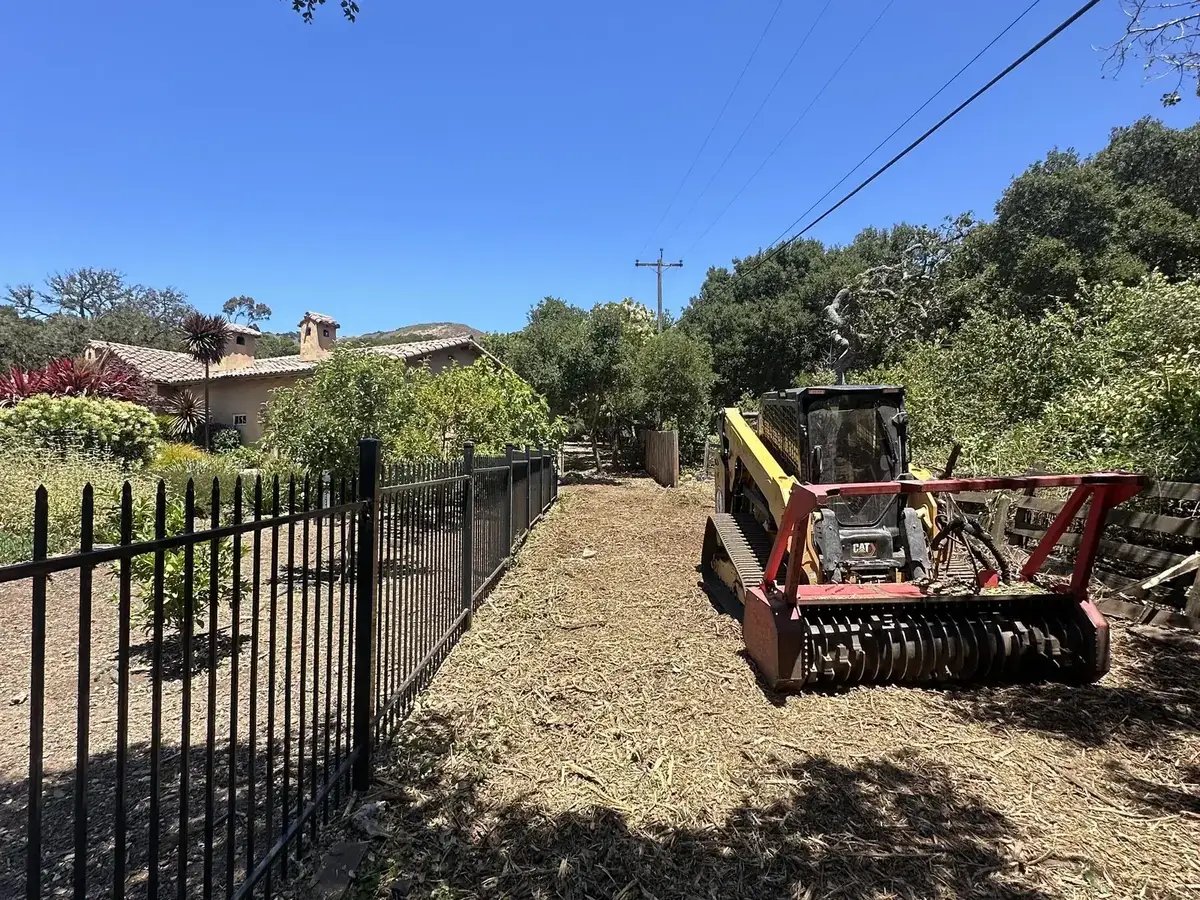
We clear overgrown brush and poison oak off hillsides and fence lines. The masticating head grinds it into mulch where it stands, and the trees stay.
Learn More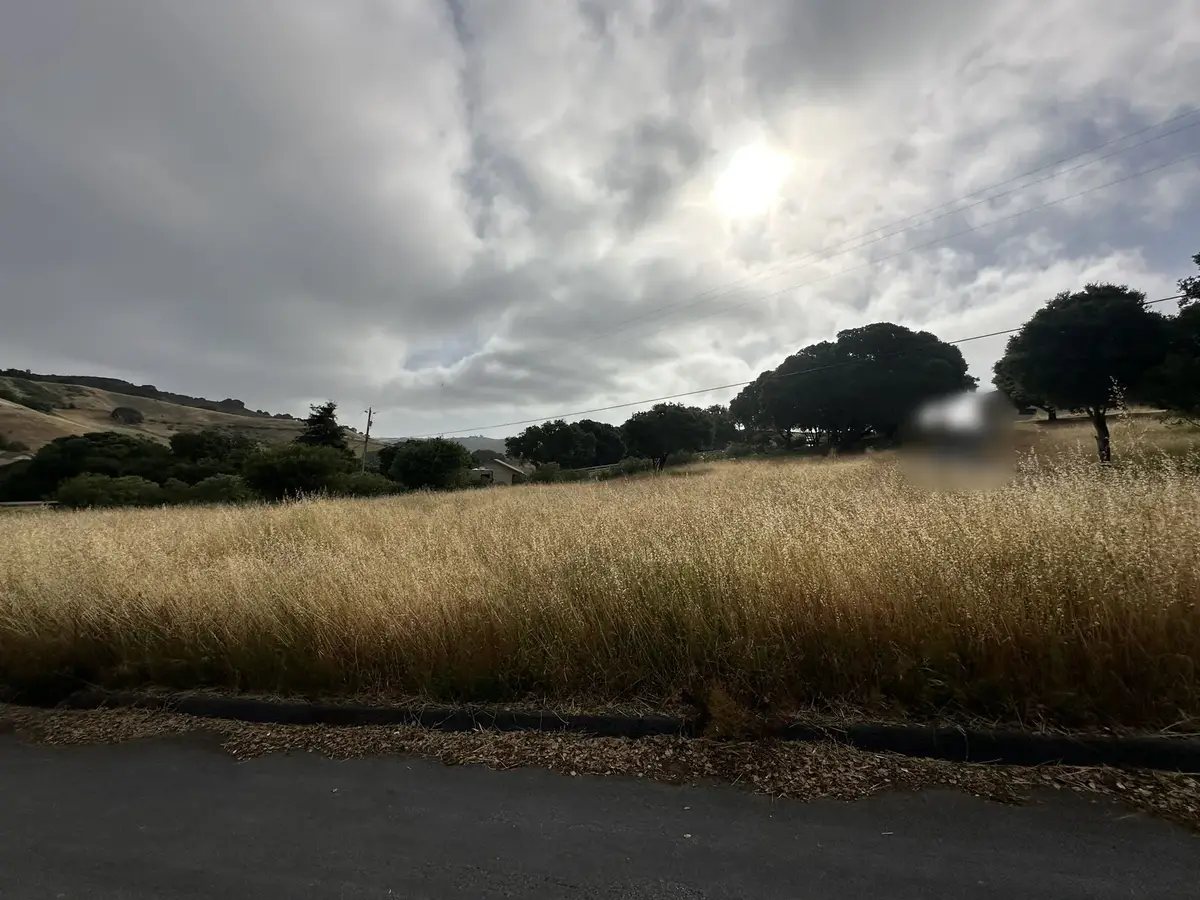
We cut the dry grass and weeds on vacant lots, parcels, roadsides and lot lines before fire season. Send us a photo of your notice, and we put the quote in writing.
Learn More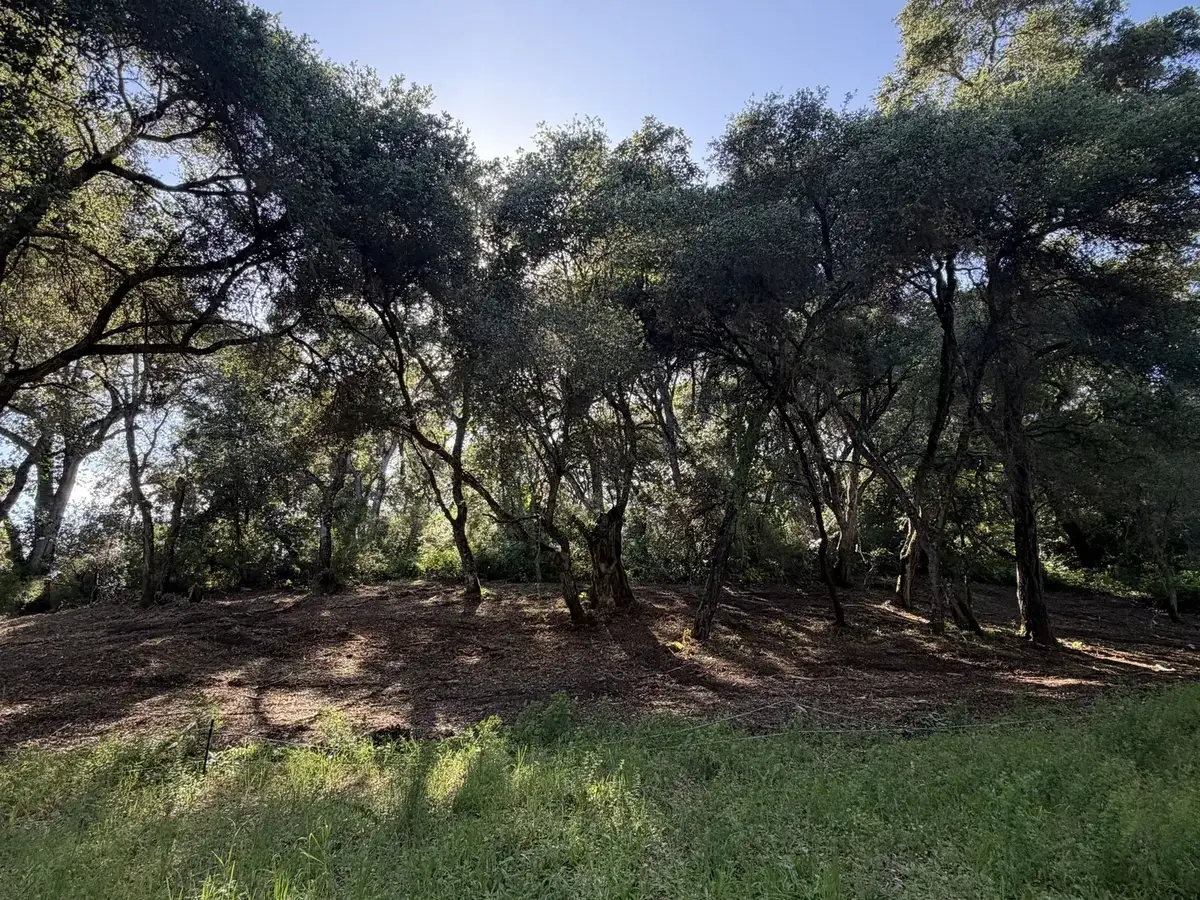
We open up overgrown acreage, hillsides, ranch parcels and building sites with the masticating head and the brush mower. Brush and small trees become mulch in place, and the trees you keep stay standing.
Learn More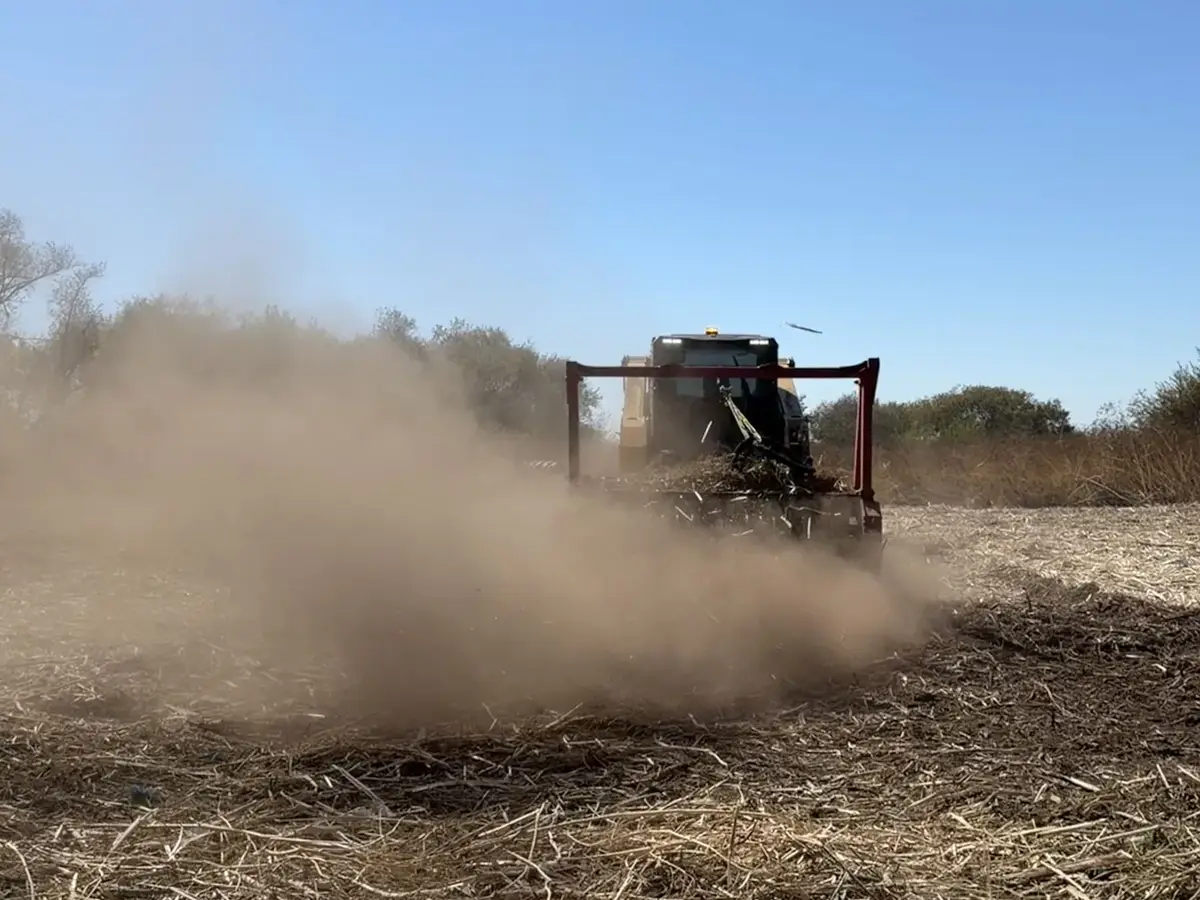
Our masticating head grinds brush and small trees into mulch where they stand. The ground is left under a mulch layer, and the trees you keep stay standing.
Learn More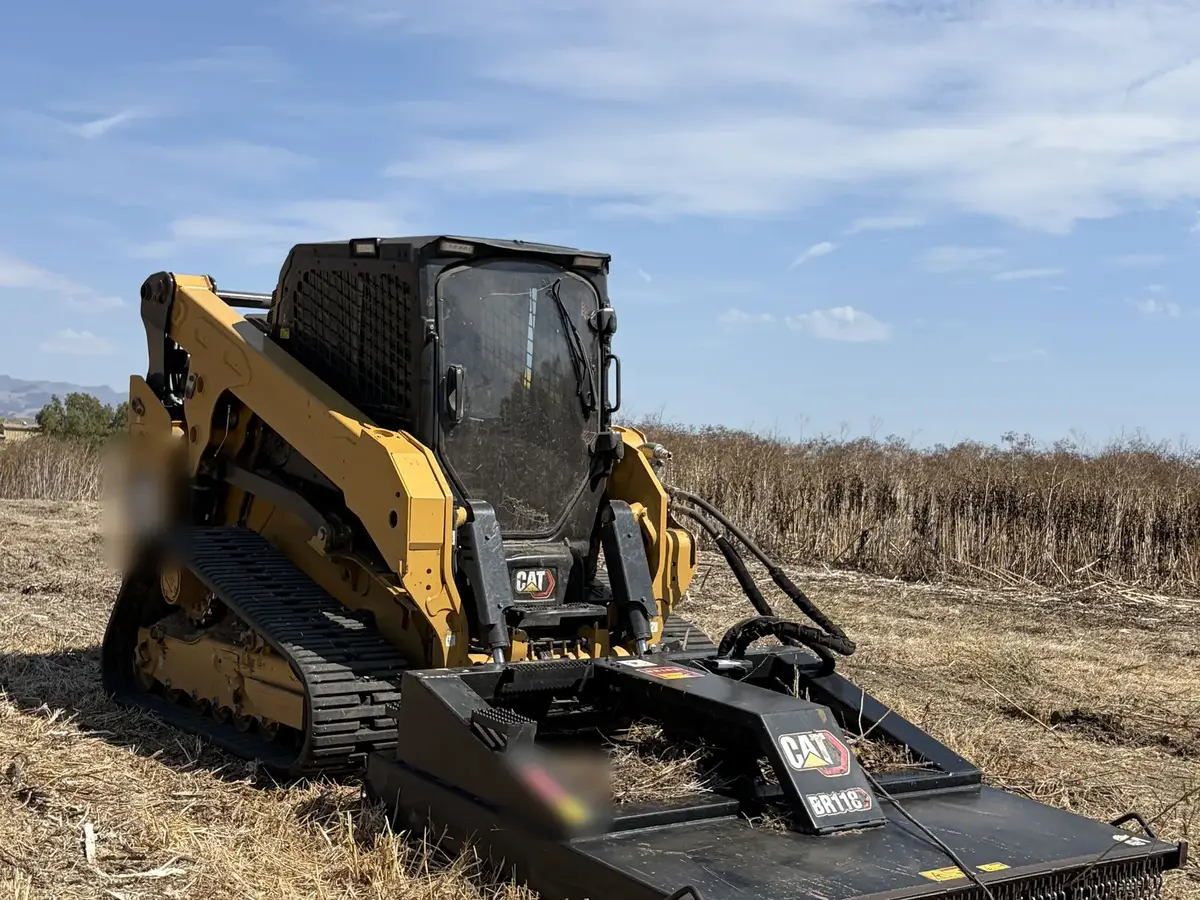
We cut tall grass and light brush with a rotary brush mower on a compact track loader. Fields, pastures, road frontage and large lots get mowed once or every season.
Learn More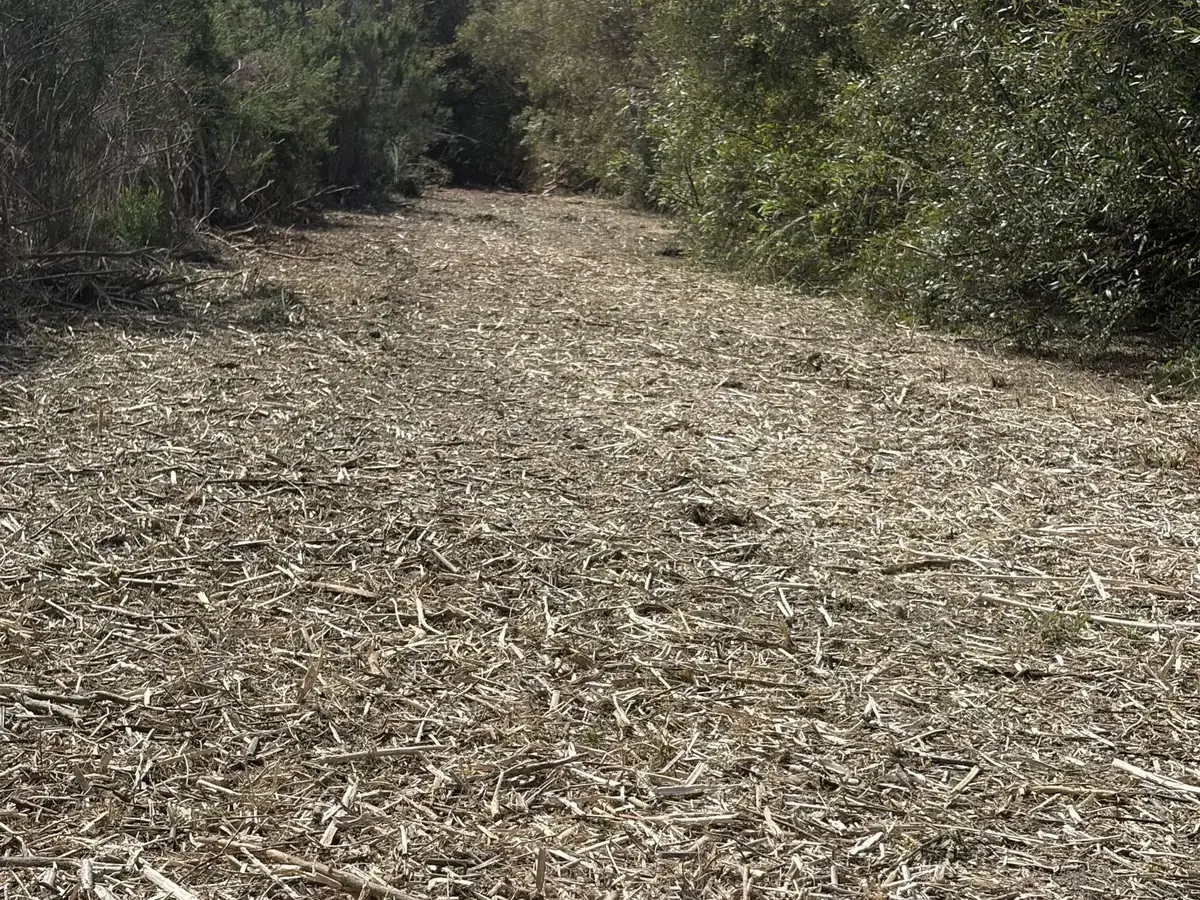
Fire breaks and fuel breaks cut along property lines, ridges, roads and driveways. Brush is masticated into mulch and grass mowed low, so a fire slows and crews have room to work.
Learn More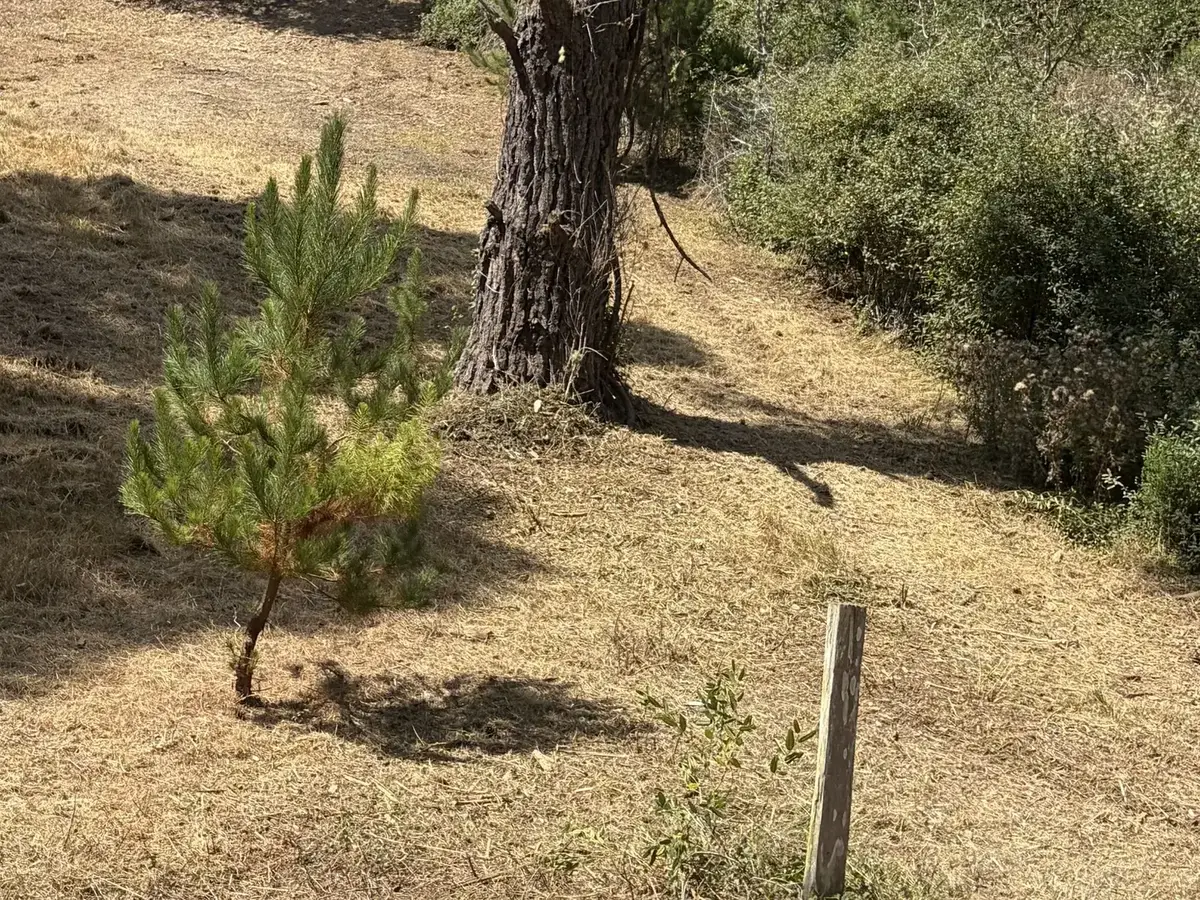
Vacant lots and ADU sites cleared to open ground. Weeds and grass are mowed, and brush is ground into mulch where it stands.
Learn More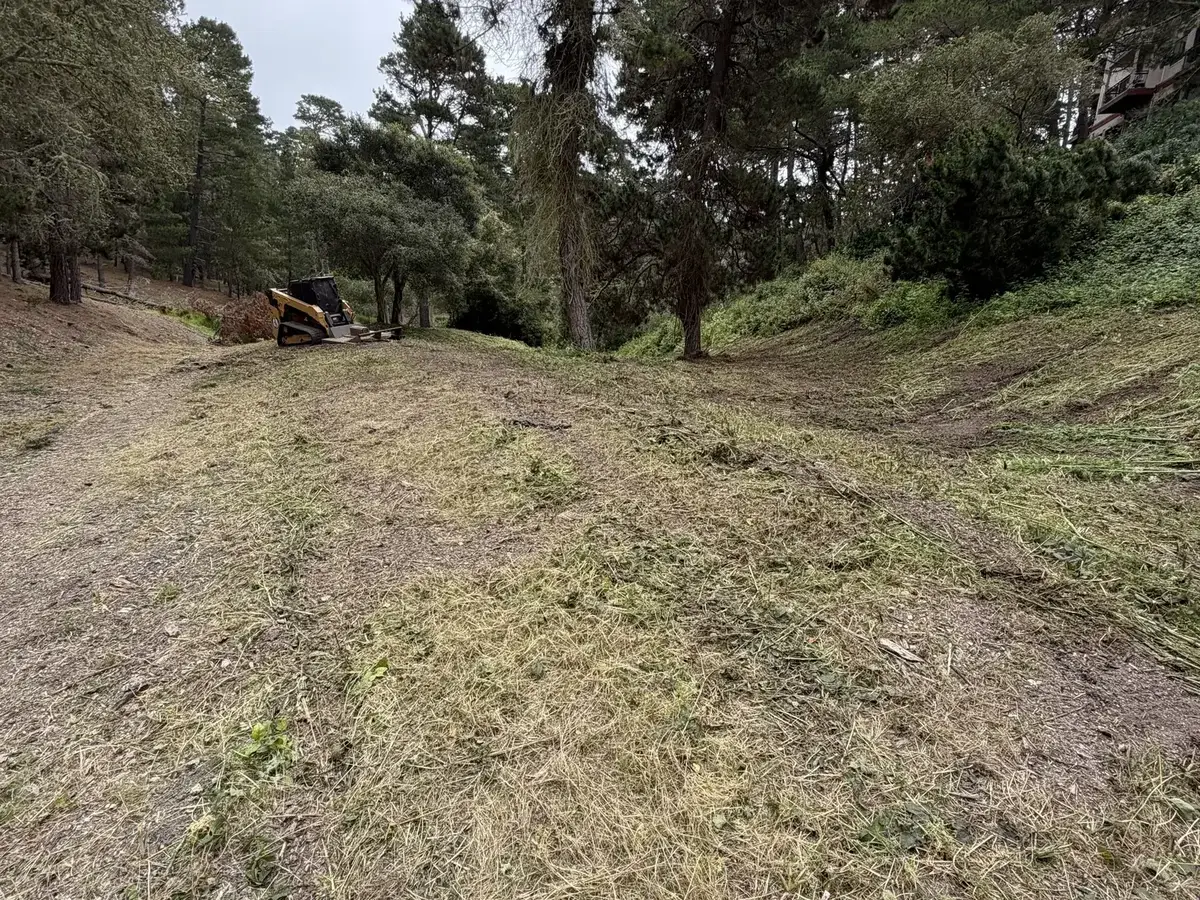
We run seasonal vegetation management programs for HOAs, property managers, commercial properties and ranches. Grass is mowed and brush is masticated on a schedule built around notices and fire season.
Learn MoreA few of the questions we hear most around Soquel. If yours is not here, call or text and ask.
Tell us where the property is and what needs clearing, and send photos if you have them. Call or text (831) 200-5377, or use the form, and we will get back to you.
Tell us about the brush, the lot or the letter you got. We look at the property and put the quote in writing.