
Brush Clearing
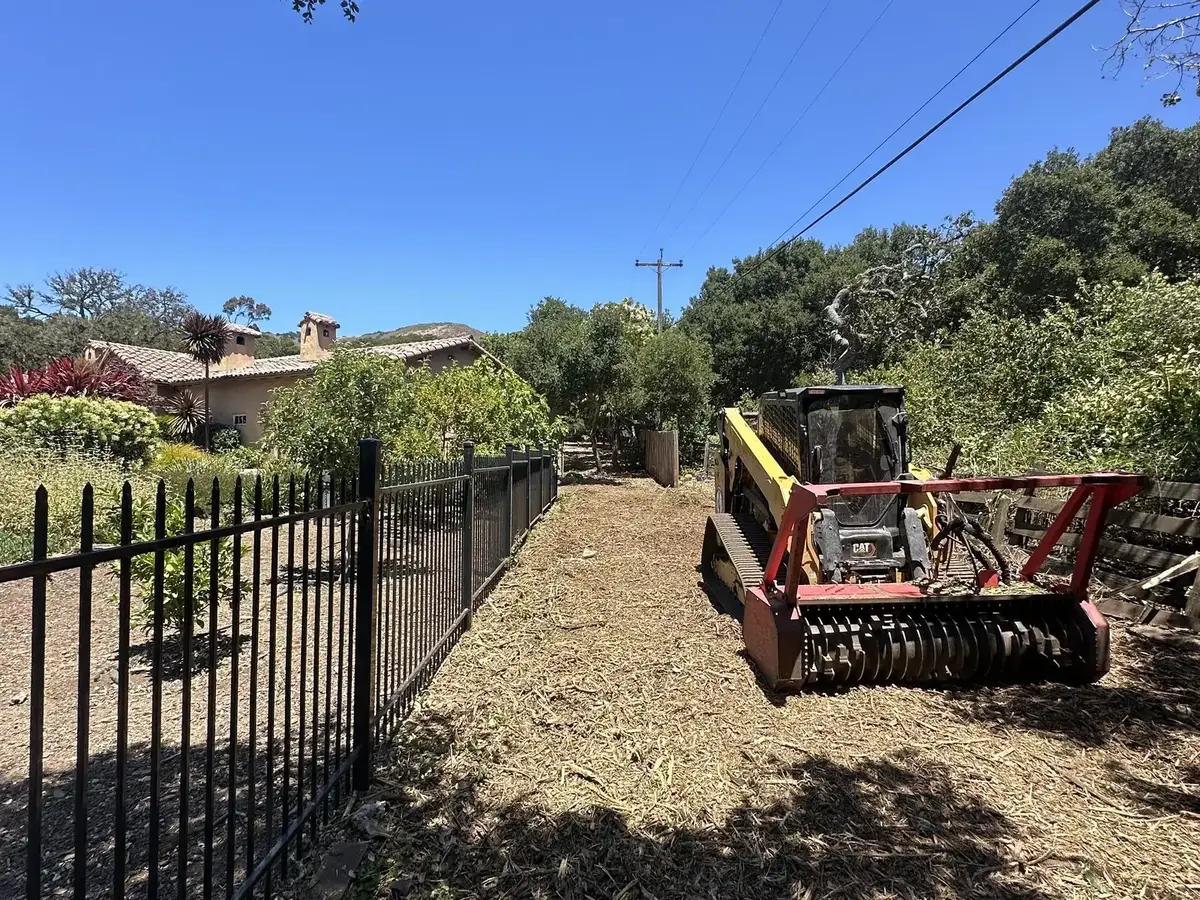
We clear overgrown brush and poison oak off hillsides and fence lines. The masticating head grinds it into mulch where it stands, and the trees stay.
Learn More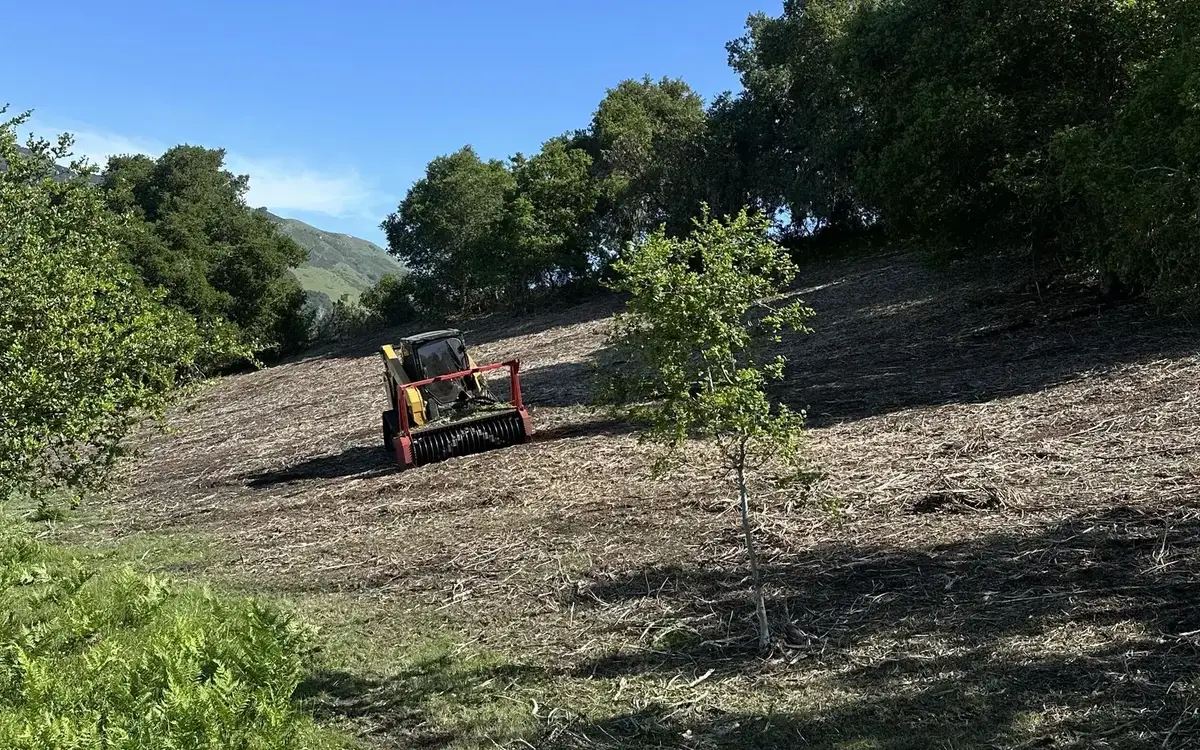
Forestry mulching grinds brush, saplings and small trees into mulch where they stand. We do it with a masticating head, a drum mulcher, on a compact track loader. The mulch drops in place and covers the ground, and the soil stays where it is. In California fire work, the same job is called mastication.
We are based in Seaside on the Monterey Peninsula. Our forestry mulching services cover the Peninsula, the Salinas area and the coast up to Santa Cruz. Mastication is also part of our defensible space clearing around a home. If you have an inspection notice or an insurance letter, we size the work to it.
Tell us about the brush, the lot or the letter you got. We look at the property and put the quote in writing.
Outside of land work, mastication means chewing. In fuel reduction, it means a machine that chews standing brush into mulch. CAL FIRE uses the word for this work. Forestry mulching is another name for the same job.
In 2019 the state Board of Forestry and Fire Protection approved a vegetation treatment program for wildfire prevention. Its methods include mechanical treatment: motorized equipment that cuts or chops vegetation. Mastication is one form of it. The program covers projects by CAL FIRE and other public agencies.
CAL FIRE says this kind of fuel reduction matters most near communities and roads. The same holds where prescribed fire may not be possible yet. Its guidance says less fuel can slow a fire's spread and lower its intensity. CAL FIRE is also clear that these treatments do not stop all wildfires.
The masticating head is for brush too woody or too thick for a mower. Here, that means chaparral in the Carmel Valley and the hills along Highway 68. It also means coastal scrub, and brush under oaks and Monterey pines. Near streams and seasonal drainages, the Board of Forestry's defensible space rule says to avoid heavy equipment.
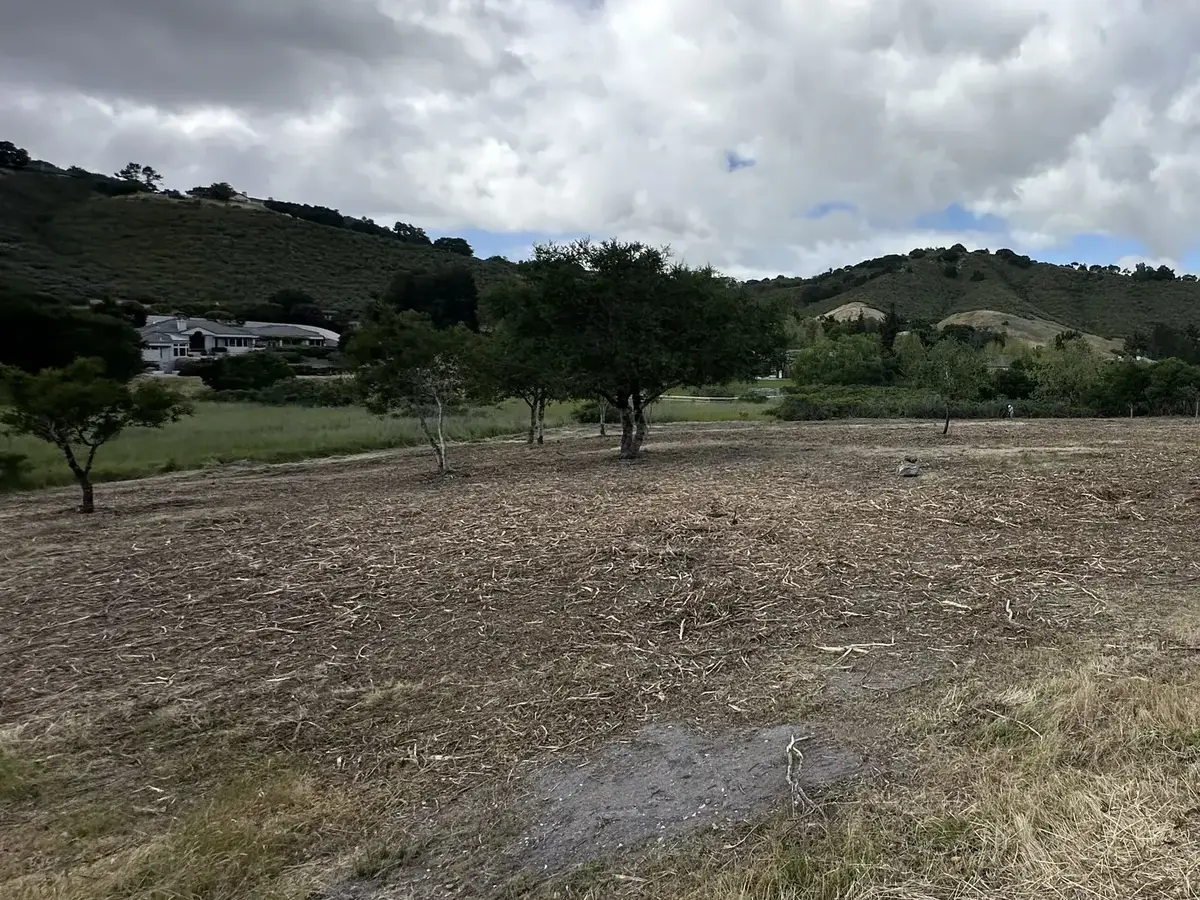
We use it to cut fuel breaks along ridges and property lines and to open trails and access roads. On bigger parcels, it handles the brush when we are opening up overgrown acreage. Lots and fence lines gone to brush get the same treatment.
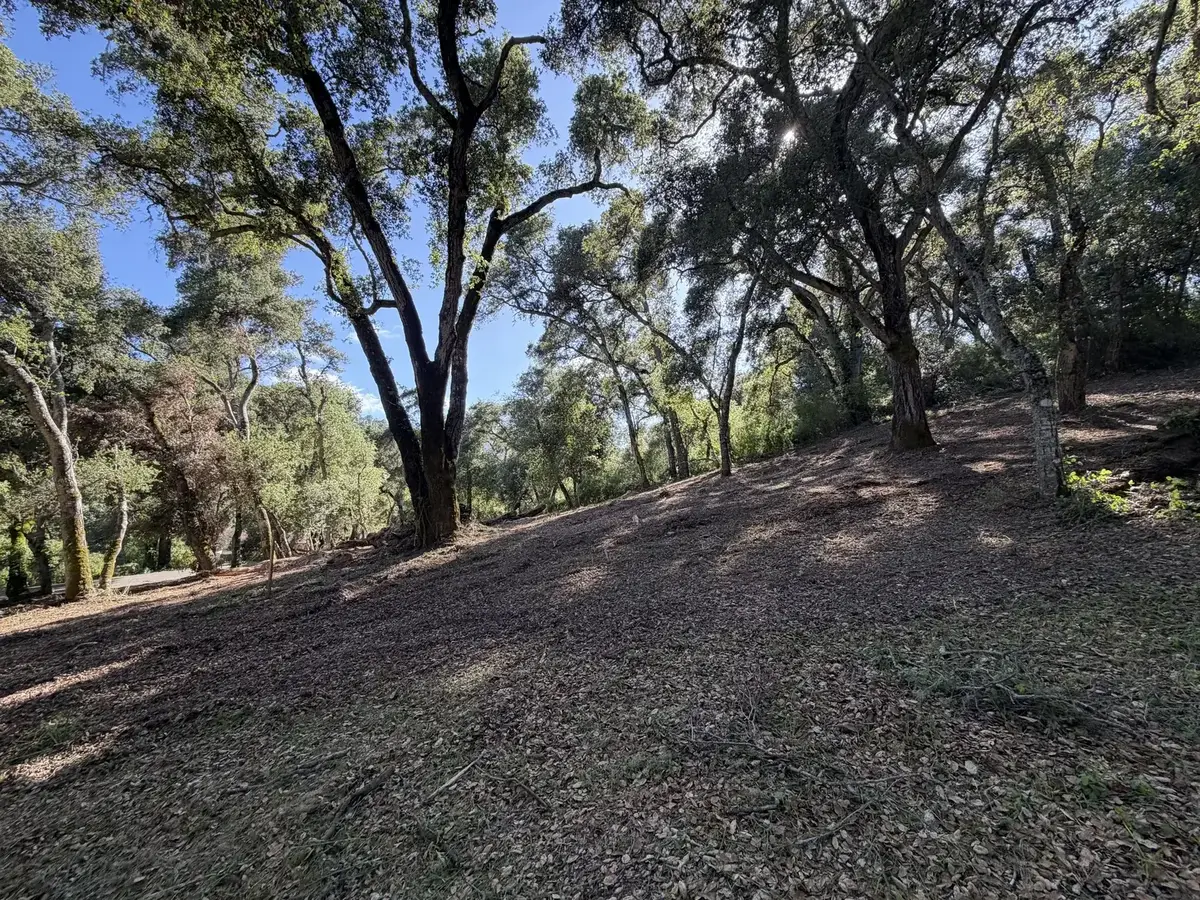
When we finish, the ground sits under a layer of mulch. The roots stay in the ground, and the soil stays in place. The trees you want kept stay standing, with open ground between them. California's defensible space law, Public Resources Code 4291, lets single trees stay if they are well pruned and maintained.
It starts with a call or text to (831) 200-5377. We look at the property, or you send photos, and we put the quote in writing.
On the day, the compact track loader carries the masticating head into the brush. The drum spins and grinds brush and saplings, and the mulch drops where they stood. The head works around the trees you keep. Equipment shoppers call this setup a skid steer mulcher or a brush mulcher.
Grass and light brush are cut with the brush mower. At the end, we take a final look with you. You see the mulched ground and the trees that stay.
Call or text for a written quote anywhere across the Monterey Peninsula, the Salinas area and up the coast to Santa Cruz.
(831) 200-5377From the first call or text to cleared ground, here is how it goes.
Call or text (831) 200-5377 and tell us about the property. Send photos if you like, plus any notice or insurance letter.
We look at the brush, the grass, the slopes and how the machine gets in. Good photos can stand in for a visit.
You get the quote in writing. If a notice or an insurance letter is in hand, the work is sized to it.
The masticating head grinds the brush, saplings and small trees into mulch. The brush mower cuts the grass and weeds down.
You get mulched and mowed ground, with the trees you kept still standing. We take a final look at it with you.
Common questions about forestry mulching across the Monterey Peninsula, the Salinas area and up the coast to Santa Cruz. If yours is not here, call or text and ask.
We clear overgrown brush and poison oak off hillsides and fence lines. The masticating head grinds it into mulch where it stands, and the trees stay.
Learn More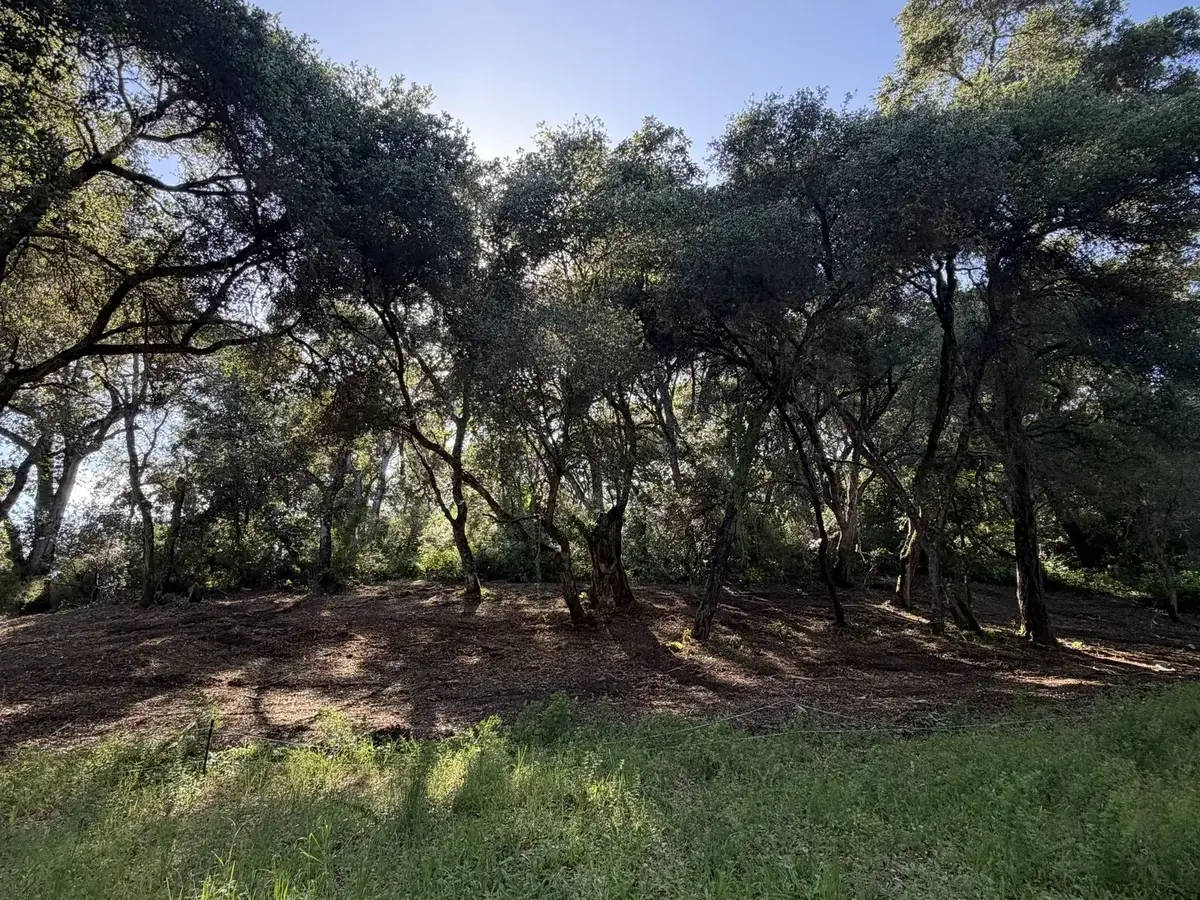
We open up overgrown acreage, hillsides, ranch parcels and building sites with the masticating head and the brush mower. Brush and small trees become mulch in place, and the trees you keep stay standing.
Learn More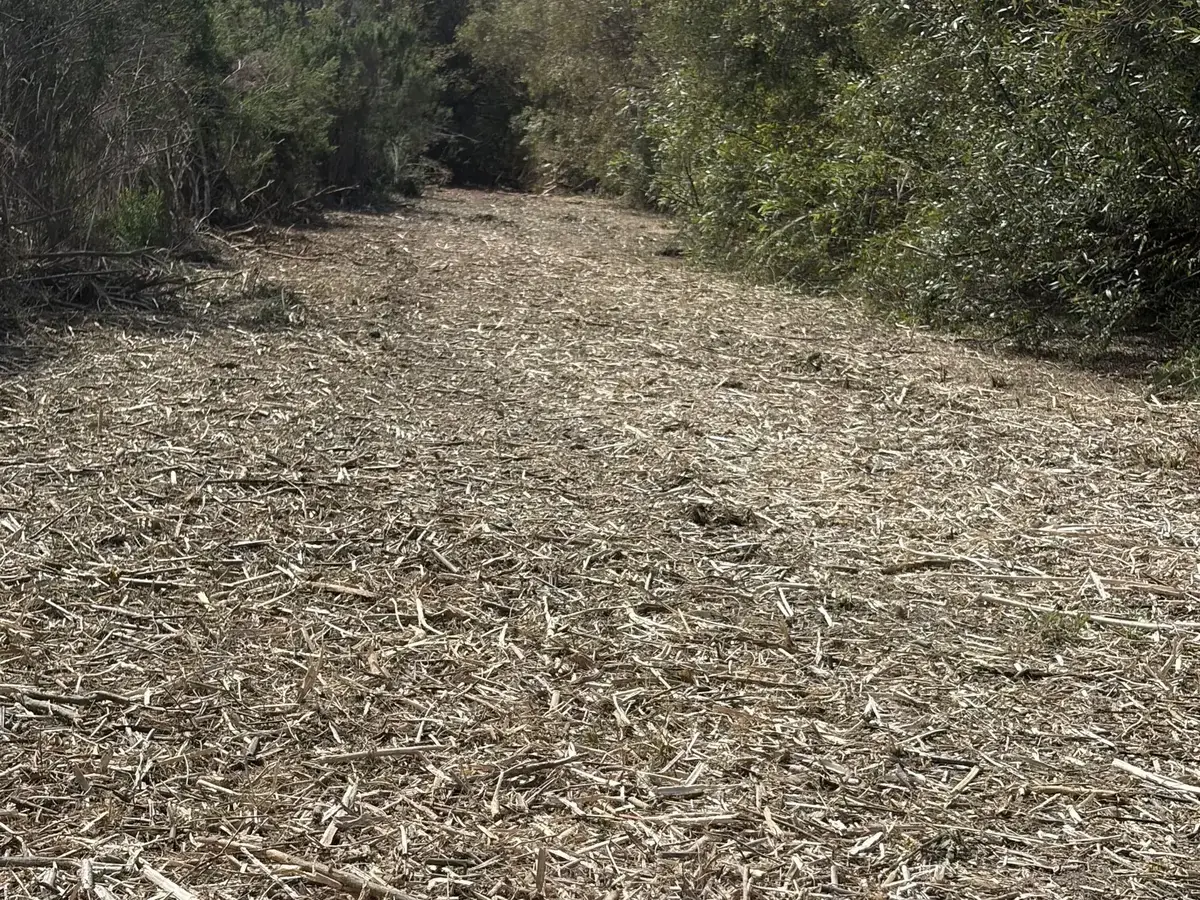
Fire breaks and fuel breaks cut along property lines, ridges, roads and driveways. Brush is masticated into mulch and grass mowed low, so a fire slows and crews have room to work.
Learn MoreThe compact track loader runs a masticating head for brush and a brush mower for grass and weeds. Each part of the property gets the attachment that fits it.
Brush, saplings and small trees are ground into mulch where they stand, and the trees you want stay standing. The mulch stays on top as cover, and the soil stays in place.
We look at the brush, the slope and the access first, or work from your photos. The quote comes to you in writing before any work starts.
We are based in Seaside on the Monterey Peninsula, between Monterey and Marina. The work reaches across the Peninsula, the Salinas area and up the coast to Santa Cruz.
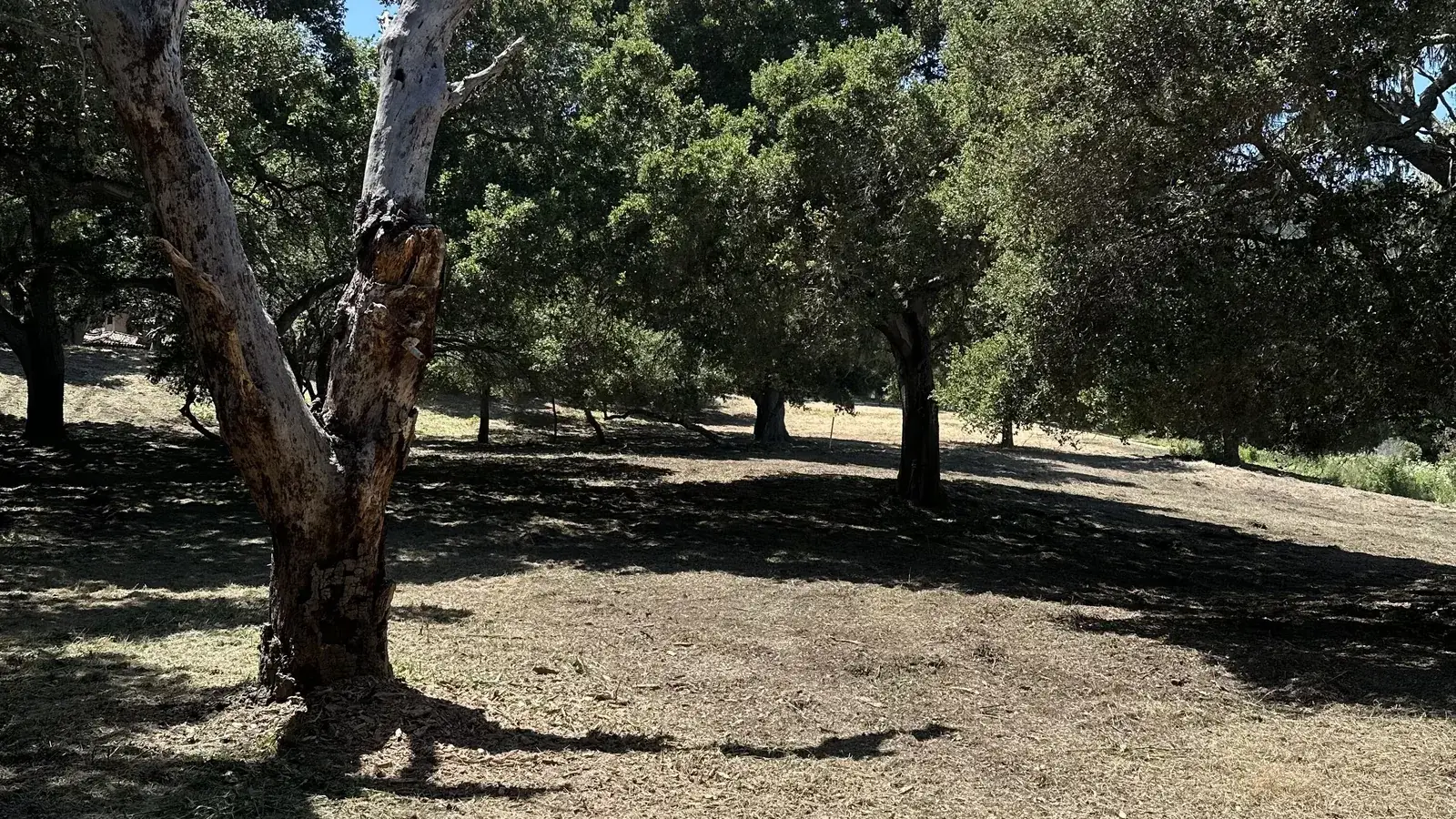
What brush clearing and mastication cost in California per acre and per hour, what drives the price, and how mulching in place changes the math.
Read more →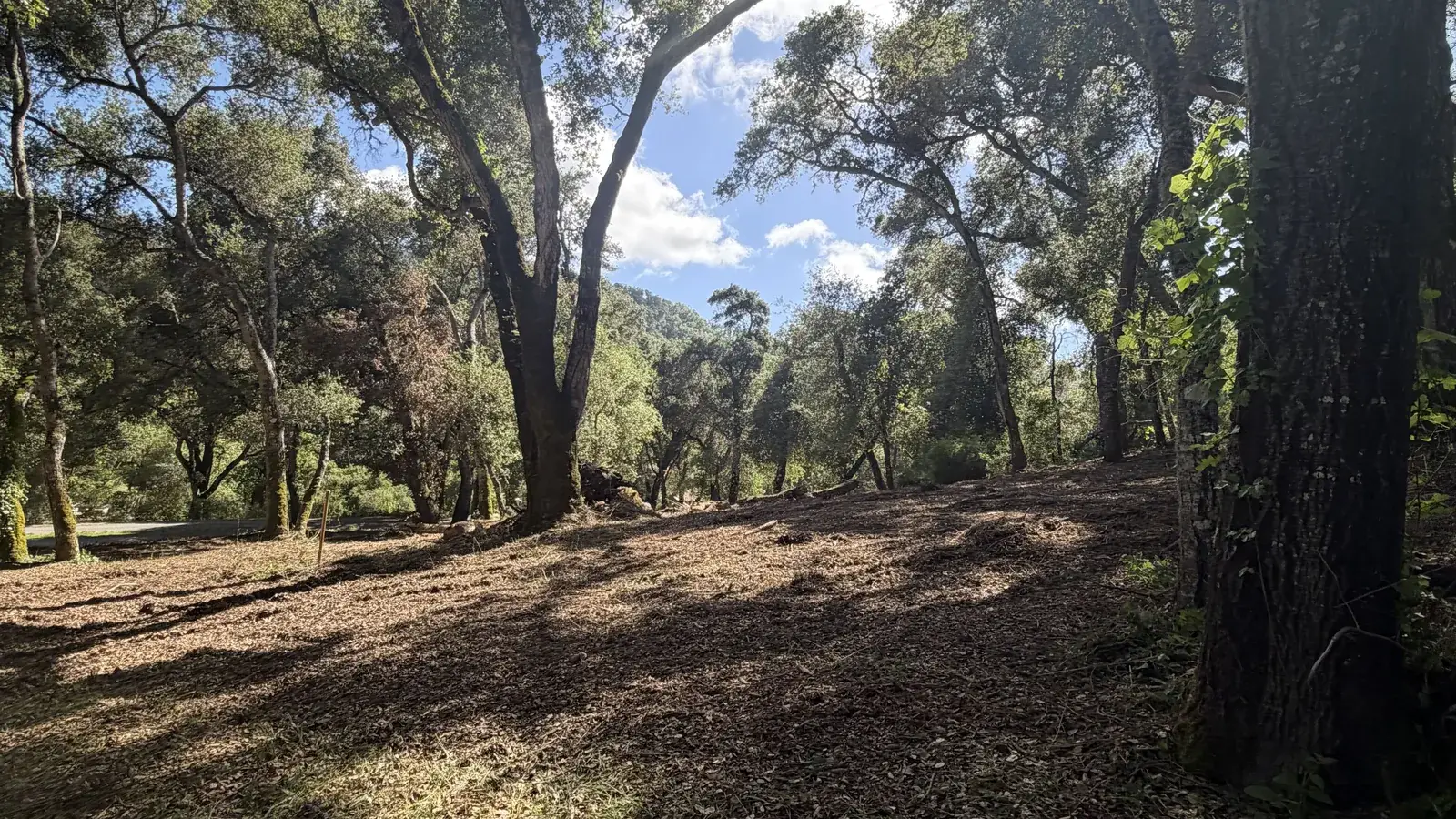
Land clearing runs about $1,200 to $8,000 an acre in one national guide. See what chaparral, oaks, hillsides and county permits add in California.
Read more →Tell us where the property is and what needs clearing, and send photos if you have them. Call or text (831) 200-5377, or use the form, and we will get back to you.
Tell us about the brush, the lot or the letter you got. We look at the property and put the quote in writing.