
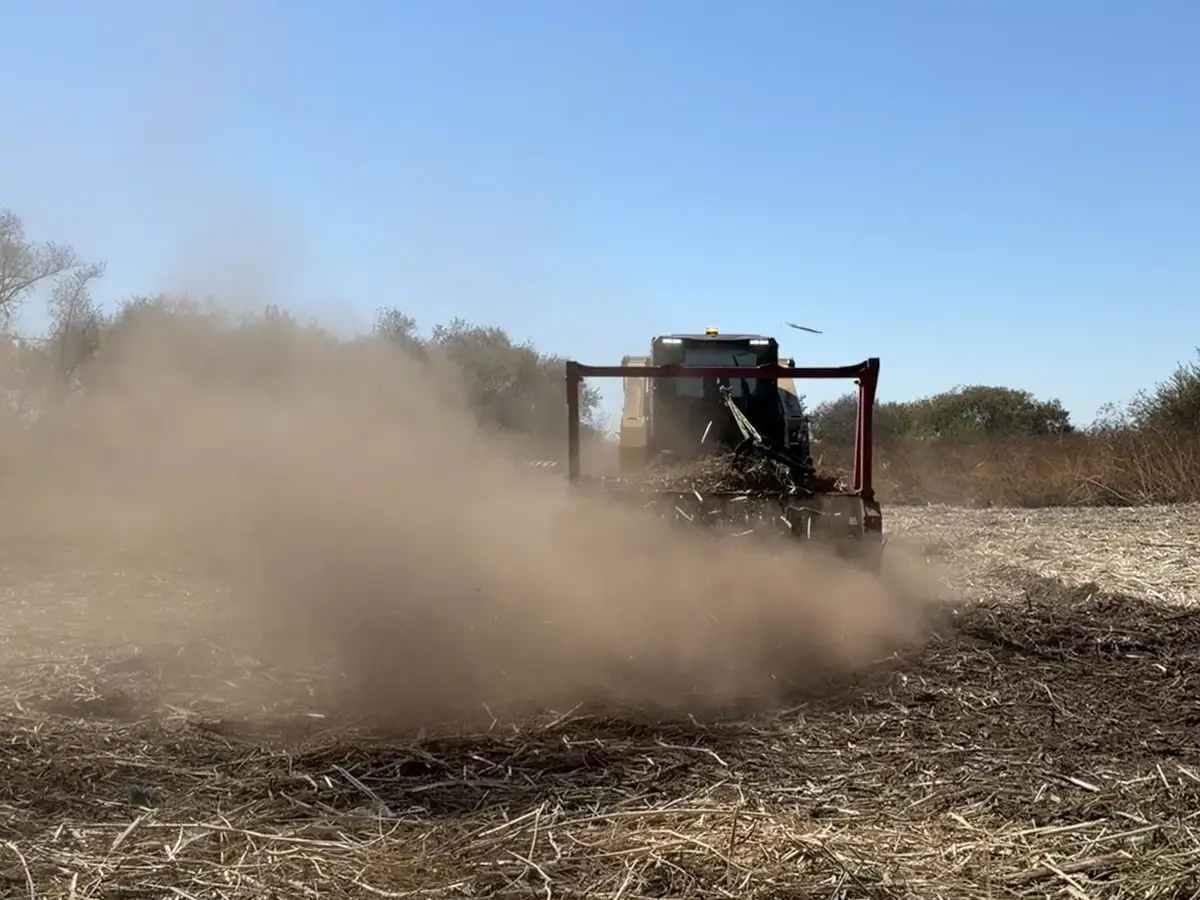
Forestry Mulching
Our masticating head grinds brush and small trees into mulch where they stand. The ground is left under a mulch layer, and the trees you keep stay standing.
Learn More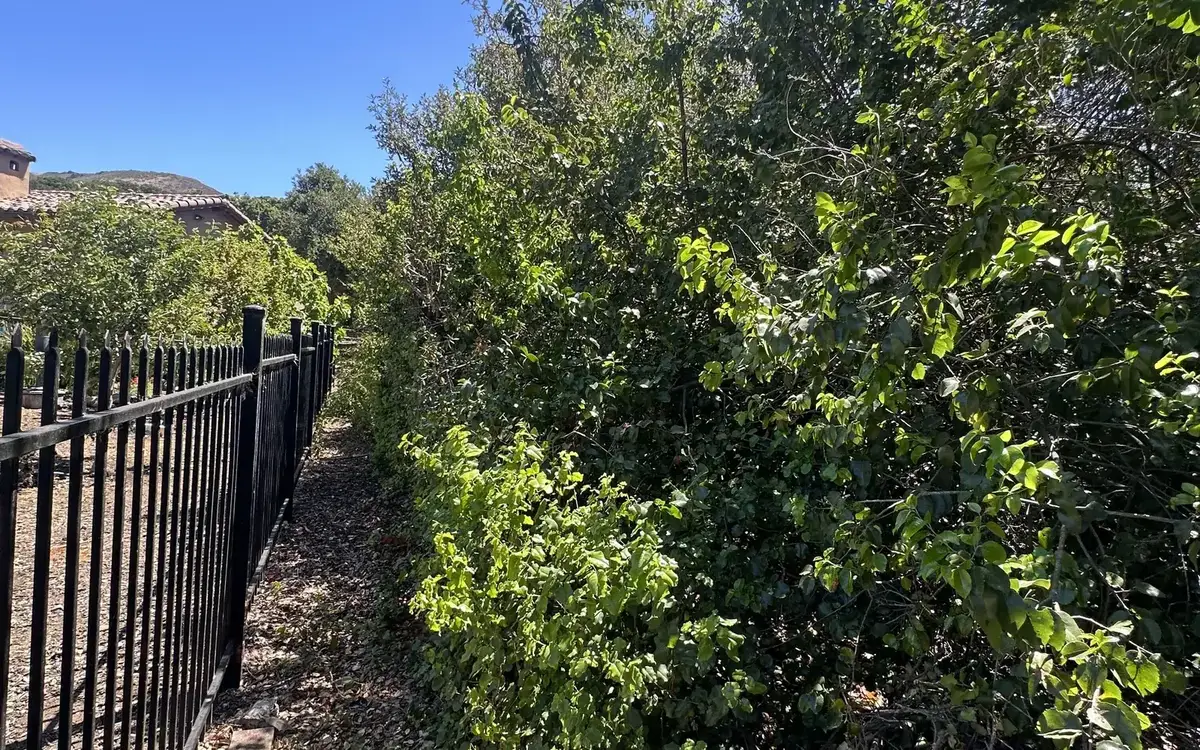
Brush clearing opens up land that has grown over. Maybe the hill behind the house is solid coyote brush. Maybe poison oak has filled in under the oaks, or you can't walk the back of the lot. Cruz Land Management does brush removal across the Monterey Peninsula, the Salinas area and up the coast to Santa Cruz.
We are based in Seaside on the Monterey Peninsula. The work runs on a compact track loader, a tracked skid steer. It carries a masticating head that grinds brush, saplings and small trees into mulch where they stand. For tall grass and light brush, it carries a rotary brush mower instead.
Tell us about the brush, the lot or the letter you got. We look at the property and put the quote in writing.
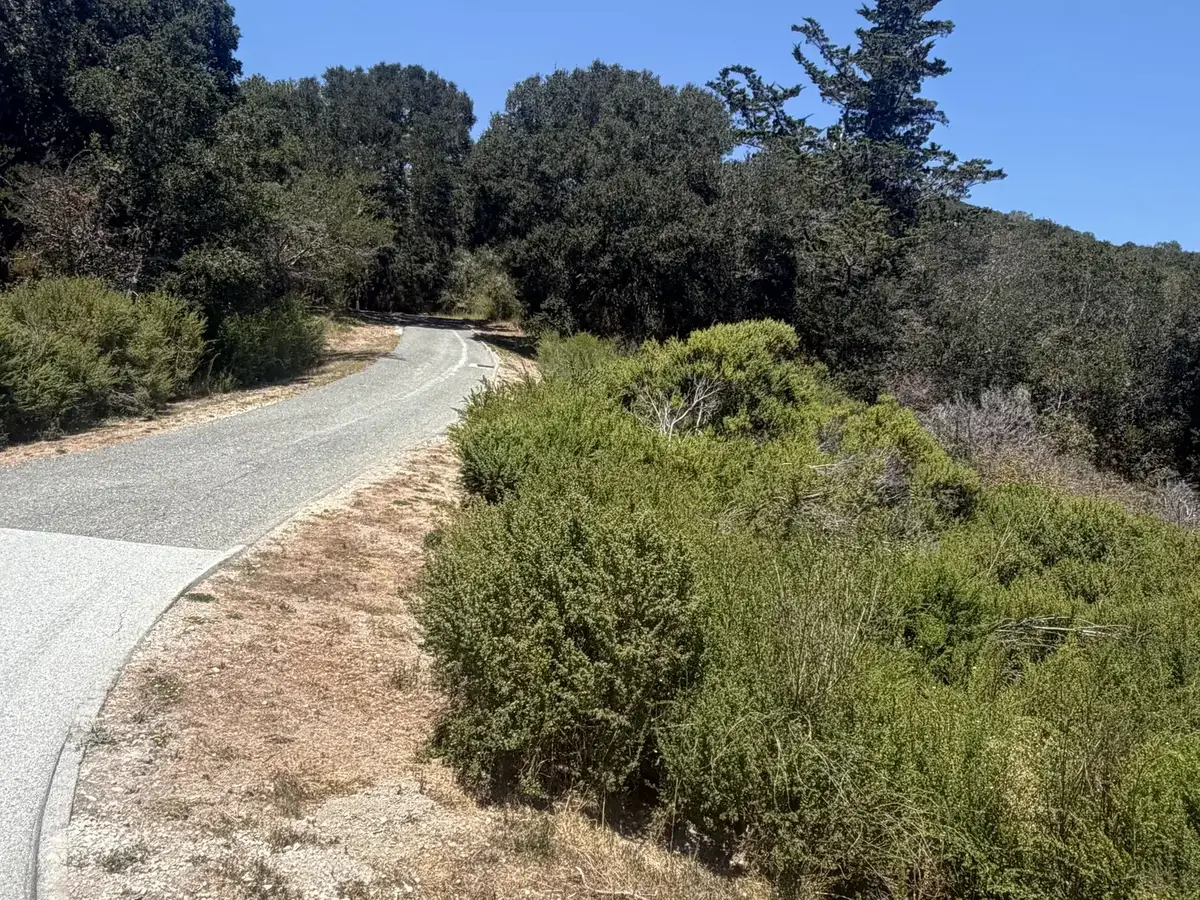
On hillsides, we clear coyote brush, chamise, manzanita and sagebrush, the shrubs of chaparral and coastal scrub. Oak woodland and chaparral share the Carmel Valley and the Highway 68 hills. A USDA plant guide notes that coyote brush takes over grassland that goes ungrazed.
French broom forms dense stands and raises the fire hazard, the California Invasive Plant Council says. Monterey County's weed management area has run a French broom control project in Robinson Canyon. Blackberry thickets pile up dead stems, which a University of California guide says can create a fire hazard. Pampas grass and dead brush go under the masticating head too.
The work goes where the brush is. We open up fence lines and property lines that have closed in. We clear the understory under oaks and pines and cut brush back from driveways and road edges. When the job is a whole ranch parcel or a building site, it becomes land clearing.
UC's poison oak guide lists coastlands and oak woodlands among the many places it grows. The oil that causes the rash is in the stems, roots, leaves and fruit. Even bare winter stems can release it when they break.
Our poison oak removal is mechanical. The masticating head grinds the stems into mulch where they stand. UC's guide warns against burning poison oak, because the oil rides on the smoke and can badly irritate the lungs.
Poison oak does come back. Cut plants resprout from the roots, the guide notes, and cutting controls it only when repeated. Plan on follow-up passes. Wear gloves when you work in that mulch, because cut and dried poison oak can still cause a rash.
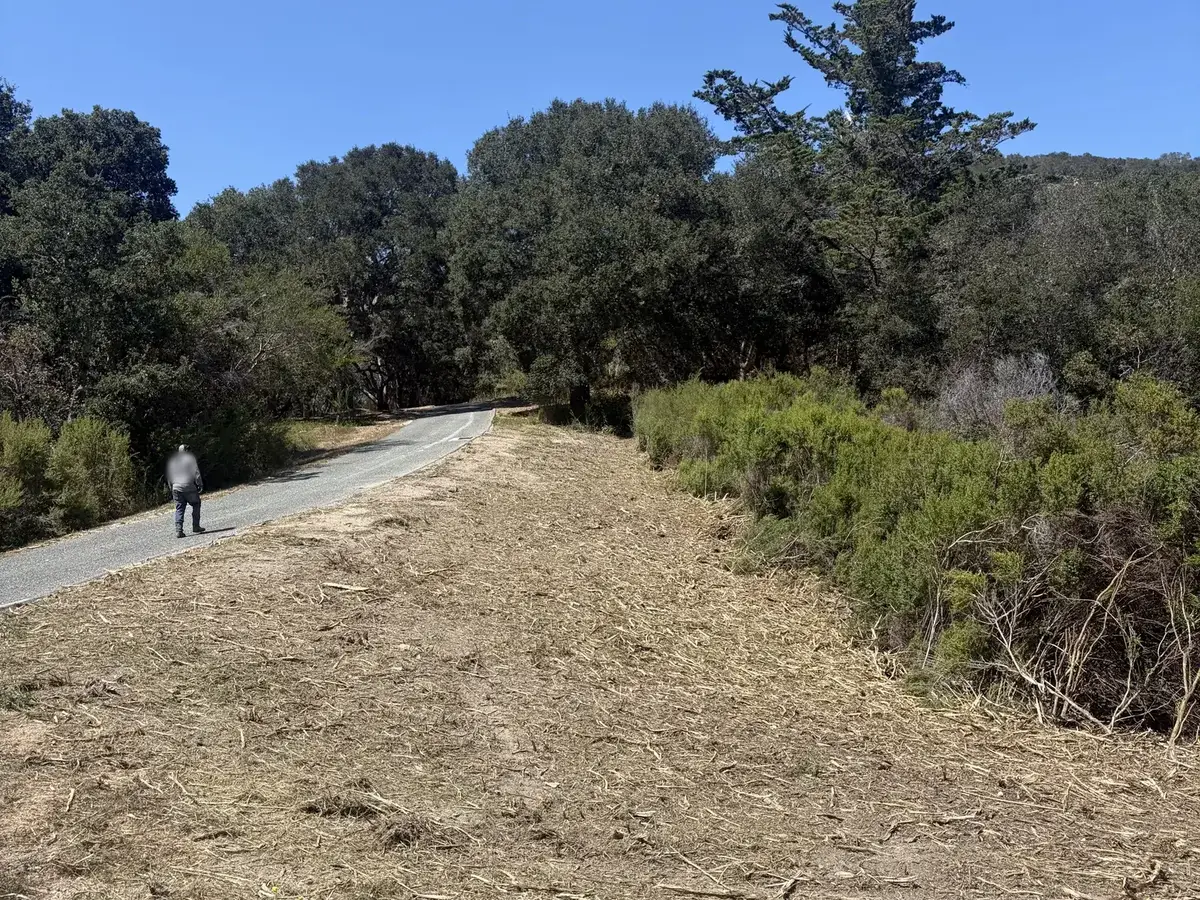
You get open ground back, with the trees you keep still standing. The brush becomes a mulch layer on the soil, and fence lines are clear enough to walk again. California's defensible space law, Public Resources Code 4291, calls for keeping erosion and soil disturbance to a minimum. Mulch left in place keeps the ground covered.
The growth decides which head does the work. Woody brush, saplings and small trees take the masticating head. Tall grass and light brush go to the rotary mower, which also handles brush mowing on fields and pastures.
Brush grows back, so plan for upkeep. The USDA guide notes that coyote brush sprouts from its base after it is cut. French broom seed lasts a long time in the soil and sprouts when the ground is disturbed. A lighter follow-up pass takes the new growth down while it is small.
Call or text for a written quote anywhere across the Monterey Peninsula, the Salinas area and up the coast to Santa Cruz.
(831) 200-5377From the first call or text to cleared ground, here is how it goes.
Call or text (831) 200-5377 and tell us about the property. Send photos if you like, plus any notice or insurance letter.
We look at the brush, the grass, the slopes and how the machine gets in. Good photos can stand in for a visit.
You get the quote in writing. If a notice or an insurance letter is in hand, the work is sized to it.
The masticating head grinds the brush, saplings and small trees into mulch. The brush mower cuts the grass and weeds down.
You get mulched and mowed ground, with the trees you kept still standing. We take a final look at it with you.
Common questions about brush clearing across the Monterey Peninsula, the Salinas area and up the coast to Santa Cruz. If yours is not here, call or text and ask.
Our masticating head grinds brush and small trees into mulch where they stand. The ground is left under a mulch layer, and the trees you keep stay standing.
Learn More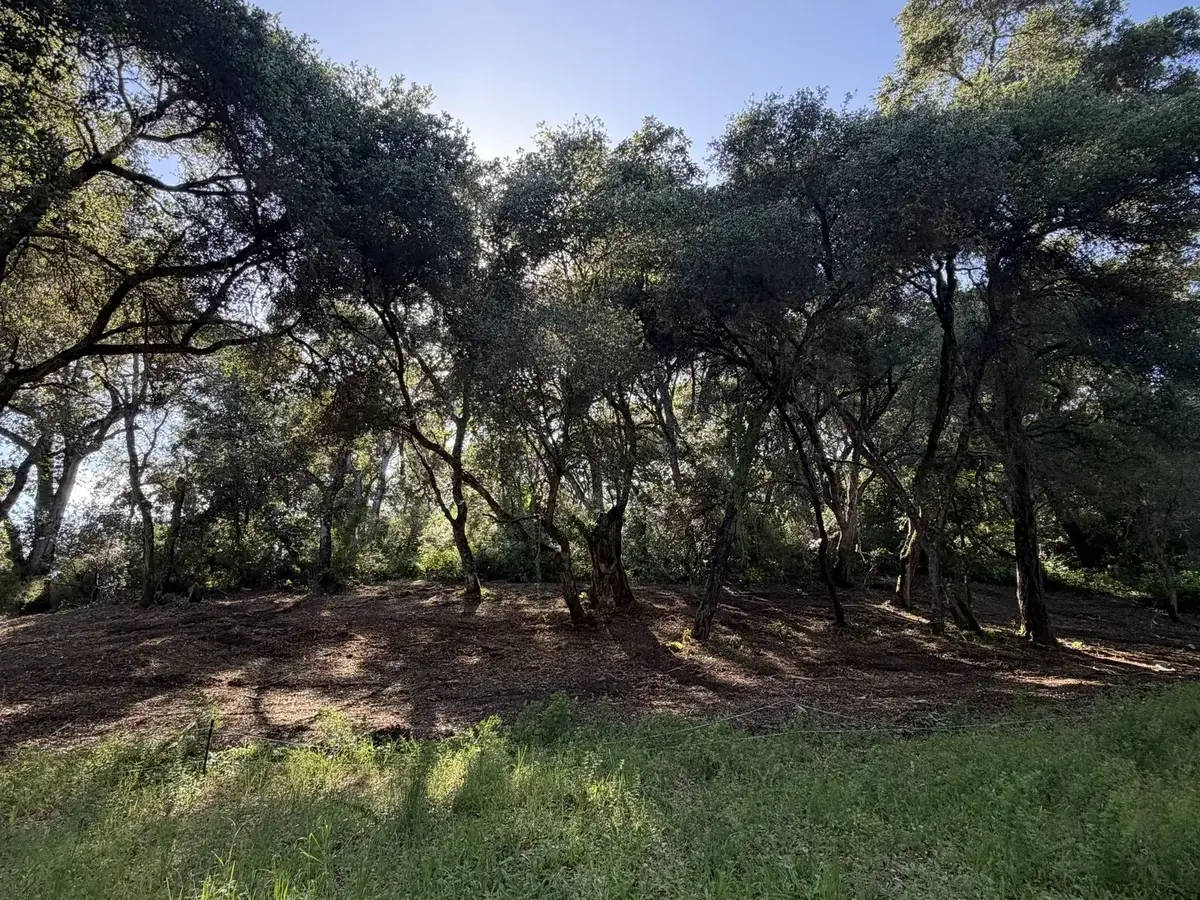
We open up overgrown acreage, hillsides, ranch parcels and building sites with the masticating head and the brush mower. Brush and small trees become mulch in place, and the trees you keep stay standing.
Learn More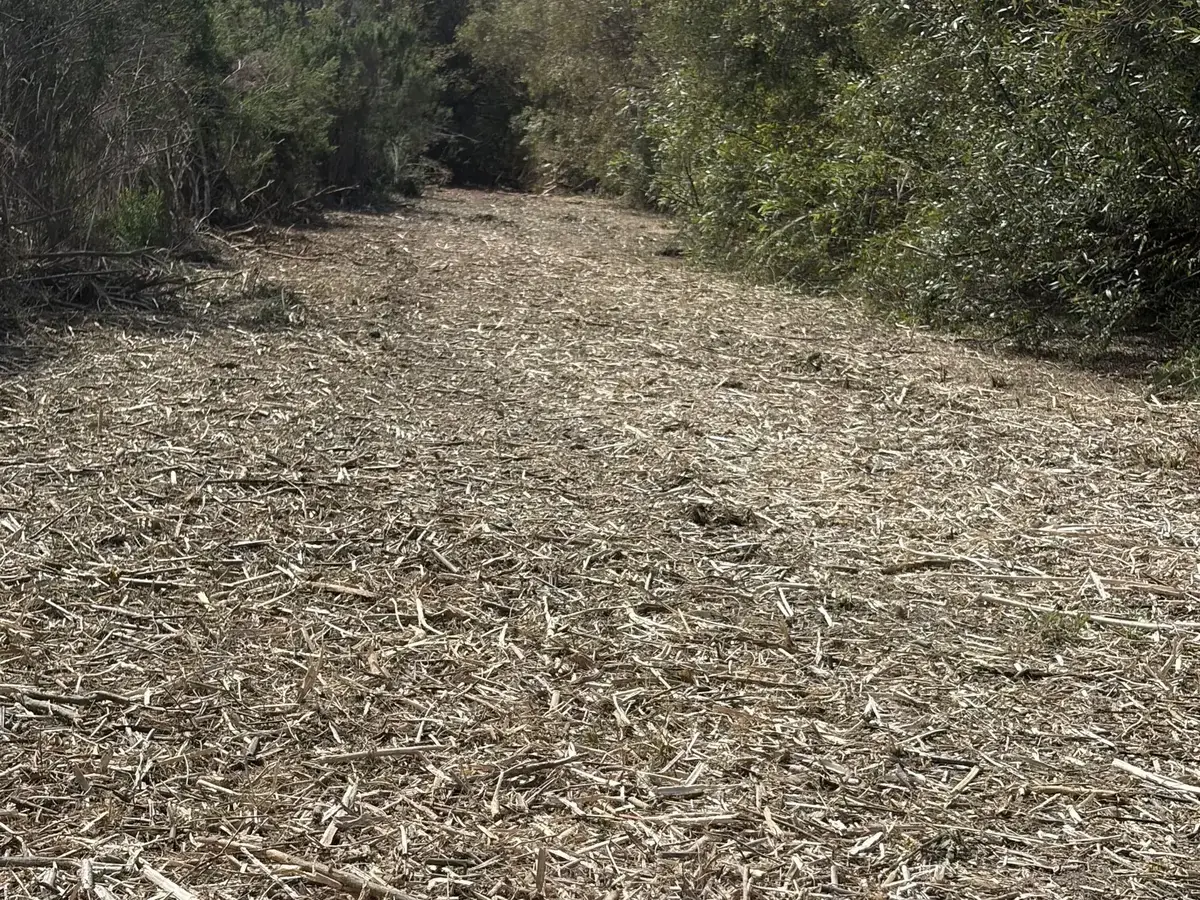
Fire breaks and fuel breaks cut along property lines, ridges, roads and driveways. Brush is masticated into mulch and grass mowed low, so a fire slows and crews have room to work.
Learn MoreThe compact track loader runs a masticating head for brush and a brush mower for grass and weeds. Each part of the property gets the attachment that fits it.
Brush, saplings and small trees are ground into mulch where they stand, and the trees you want stay standing. The mulch stays on top as cover, and the soil stays in place.
We look at the brush, the slope and the access first, or work from your photos. The quote comes to you in writing before any work starts.
We are based in Seaside on the Monterey Peninsula, between Monterey and Marina. The work reaches across the Peninsula, the Salinas area and up the coast to Santa Cruz.
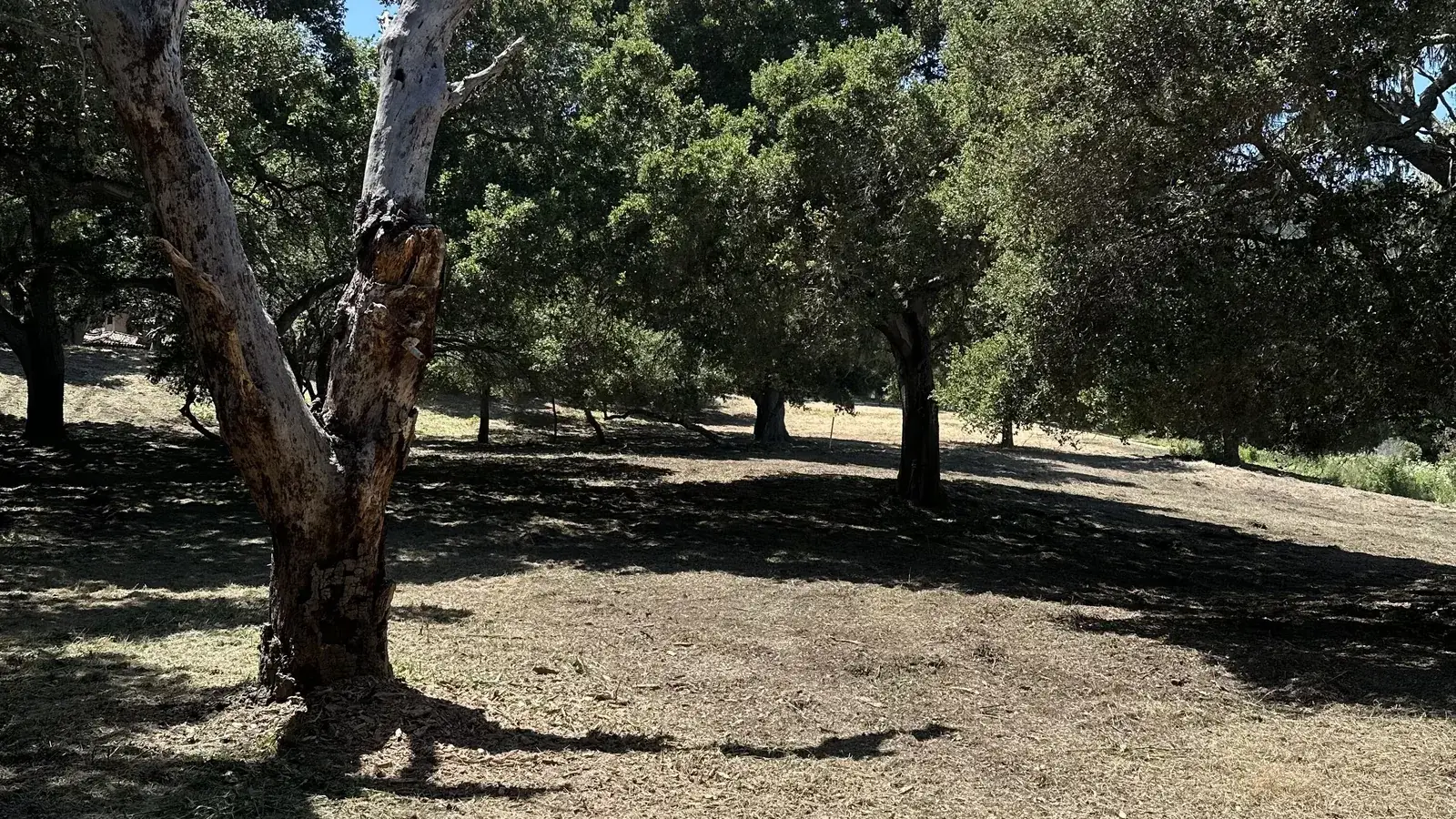
What brush clearing and mastication cost in California per acre and per hour, what drives the price, and how mulching in place changes the math.
Read more →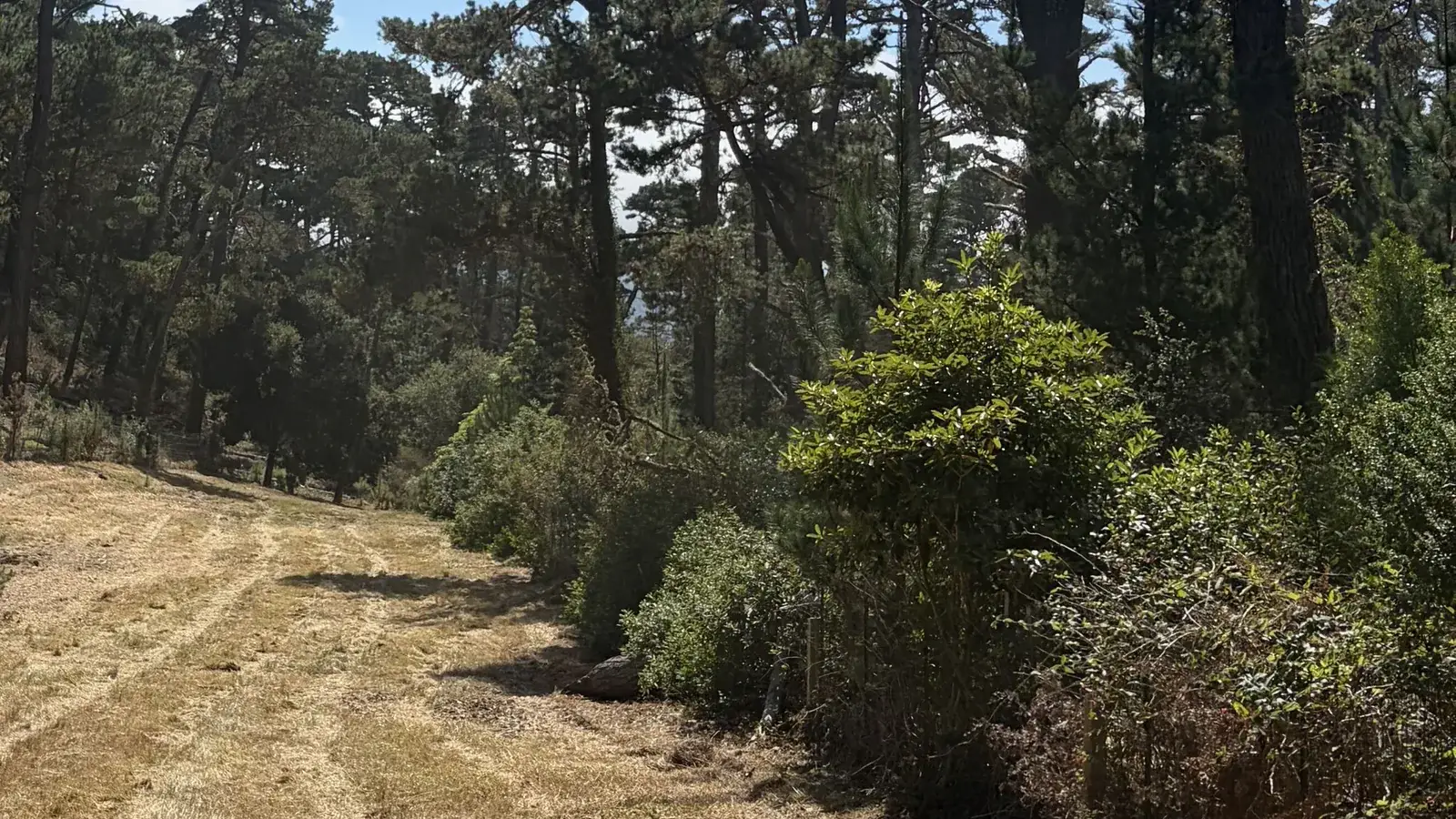
California defensible space rules for 2026: the 100 feet, Zones 1 and 2, where Zone 0 stands, inspections and insurance on the Monterey Peninsula.
Read more →Tell us where the property is and what needs clearing, and send photos if you have them. Call or text (831) 200-5377, or use the form, and we will get back to you.
Tell us about the brush, the lot or the letter you got. We look at the property and put the quote in writing.